Key facts
- US consumer prices remained stubbornly high in August, with the annualized inflation rate at 3.4%.
- Core inflation, excluding energy and food, increased to 2.4% in August.
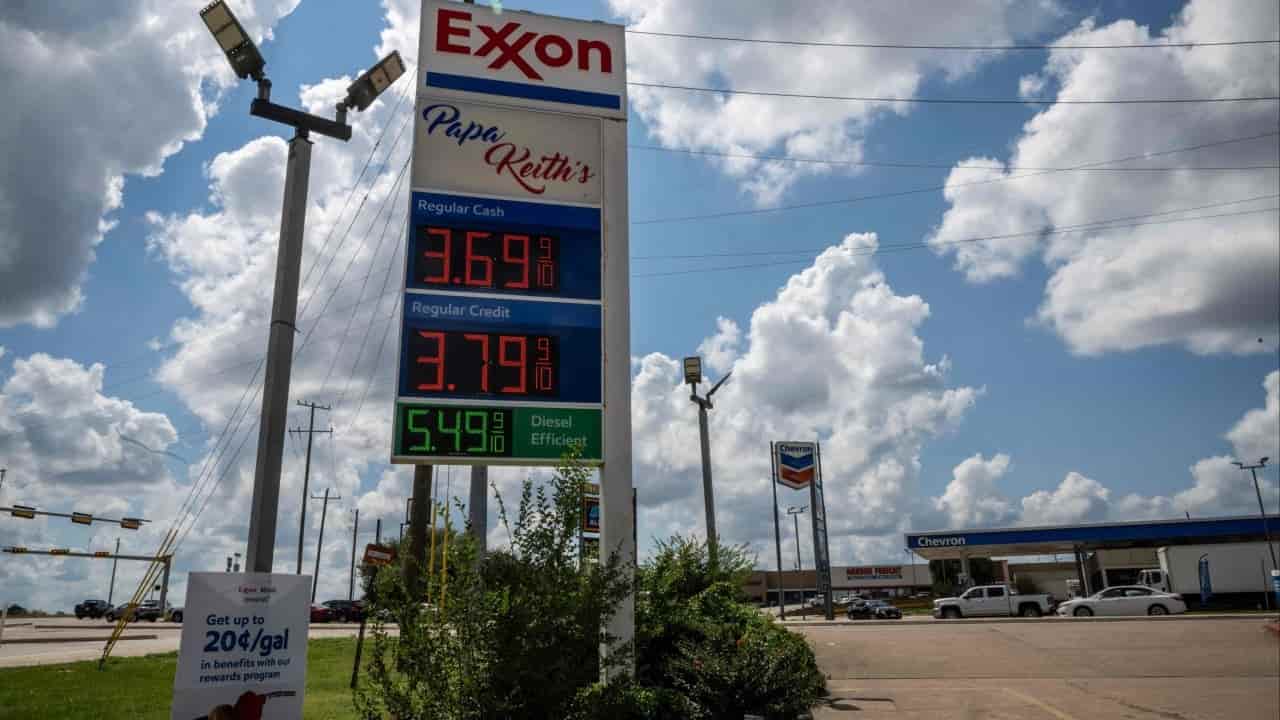
- Diesel prices surpassed $6 a gallon for the first time, and gasoline averaged $4.29 a gallon.
- US Treasury yields have reached their highest points since the 2008 recession.
- Federal Reserve Chair Kevin Warsh stated that underlying inflation trends had not "meaningfully improved" over the summer.
- Fed governor Christopher Waller indicated a potential rate hike if inflation does not ease.
US consumer prices remained elevated in August, with the annualized inflation rate holding steady at 3.4%, mirroring July's figure. This persistent inflation is largely attributed to a surge in energy costs, driven by the ongoing conflict between the US and Iran. Diesel prices exceeded $6 a gallon for the first time, and average gasoline prices stood at $4.29 a gallon. Core inflation, which excludes volatile energy and food prices, rose to 2.4% in August. These figures are concerning for Republicans ahead of the midterm elections, as consumer sentiment has hit record lows and affordability concerns for gas and groceries are widespread. The elevated inflation has also contributed to US Treasury yields reaching their highest points since the 2008 recession. The Federal Reserve is closely watching these inflation numbers as it prepares for its upcoming board meeting, where interest rate decisions will be made. Fed Chair Kevin Warsh has emphasized the need to combat inflation, noting that underlying trends have not significantly improved. Fed governor Christopher Waller has indicated a willingness to support a rate hike if inflation continues to be high. Historically, raising interest rates has been a tool to curb inflation, with rates reaching a range of 5.25%-5.5% in recent years, which helped bring inflation down from a 2022 peak of 9.1% to 2.3% in April 2025. Current interest rates are between 3.5%-3.75%.