Key facts
- The U.S. Army awarded up to $2.2 billion to five companies for microreactor development.
- Microreactors will be built and operated on five military bases across the U.S.
- The initiative aims to enhance energy resilience and independence from the commercial grid.
- The Army will license the reactors, with companies expected to invest private capital.
- Each microreactor will generate between 1 to 20 megawatts of power.
The U.S. Army has awarded contracts totaling up to $2.2 billion to five companies to build and operate nuclear microreactors on military bases. This initiative is part of a broader effort to enhance energy resilience and independence from the commercial electric grid, particularly in light of increasing power demands from data centers and the push for next-generation nuclear power.
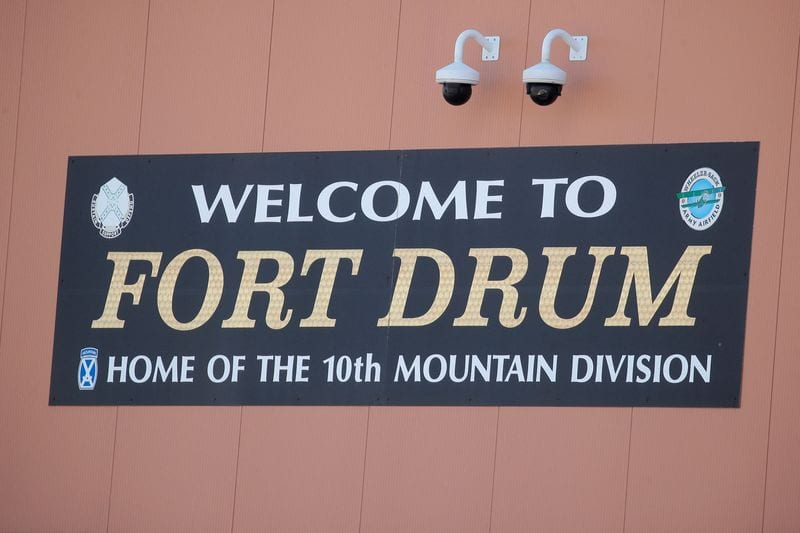
The selected companies—Antares Nuclear, BWXT, General Atomics Electromagnetic Systems, Radiant Industries, and Westinghouse Government Services—will be responsible for owning, constructing, and operating the microreactors at bases including Fort Bragg, Fort Campbell, Fort Hood, Fort Benning, and Fort Drum. The Army expects more than 20 microreactors to be built, with each reactor providing between 1 to 20 megawatts of power.
Army officials emphasize that microreactors offer a resilient power source for critical infrastructure, capable of running for years without refueling and providing a stable baseload power independent of potentially vulnerable external grids. This move aligns with President Donald Trump's executive orders aimed at accelerating nuclear power development, with a goal for an advanced reactor to be operating at a domestic military installation by September 30, 2028.
While critics raise concerns about cost and risk, Army representatives state that the reactors are designed for safe shutdown in case of failure. The Army is also working with the Department of Energy on radioactive waste removal, ensuring no long-term storage on installations. The reactors will be licensed by the Army, with efforts to align with U.S. Nuclear Regulatory Commission standards for future commercial use. The military installations will remain connected to the grid, with the microreactors serving as a primary backup, replacing diesel fuel which can be difficult to transport during conflict.