Key facts
- A Ukrainian suspect in the Nord Stream sabotage investigation has requested asylum in Croatia.
- Volodymyr Zhuravliov was detained in Croatia on August 19.
A Ukrainian national wanted by Germany for alleged involvement in the Nord Stream pipeline sabotage has requested political asylum in Croatia. Volodymyr Zhuravliov was detained in Croatia on August 19, but his asylum bid does not automatically halt extradition proceedings.
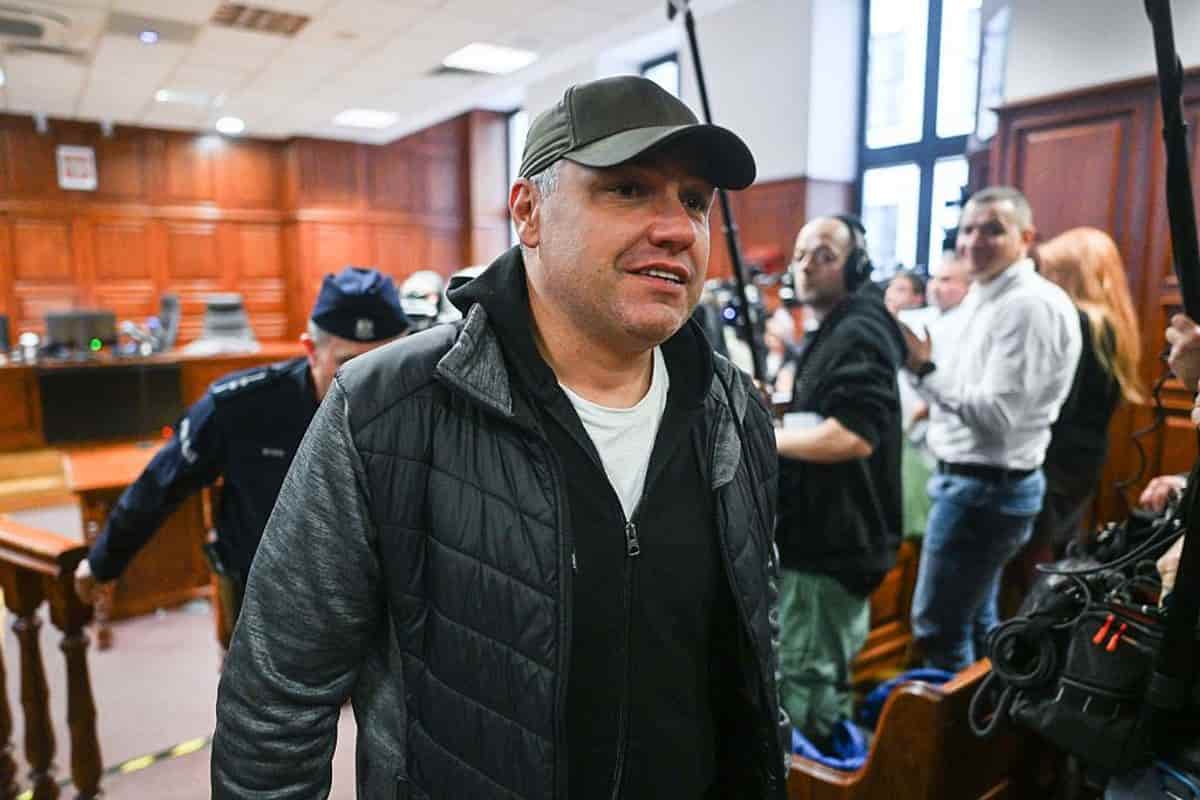
The case highlights ongoing international investigations into the Nord Stream sabotage and the complex legal and political challenges in prosecuting individuals involved in such acts, particularly amid the broader geopolitical context of the Russia-Ukraine war.
A Ukrainian national wanted by Germany for his alleged role in the sabotage of the Nord Stream gas pipelines has sought political asylum in Croatia. Volodymyr Zhuravliov was detained in Croatia on August 19, following a European arrest warrant issued by German authorities in connection with the September 2022 explosions that damaged the pipelines.
German investigators accuse Zhuravliov of assisting in the placement of explosives on the pipelines as part of a covert operation. His attorney, Mykola Katerynchuk, stated that the asylum request was made on the grounds that Zhuravliov would not receive a fair trial in Germany. A Croatian court approved Zhuravliov's extradition to Germany on September 18, though his attorney clarified that the asylum request does not automatically halt this process.
Zhuravliov had previously been detained in Poland in September 2025, but a Polish court refused his extradition to Germany, releasing him a month later. The Polish court reportedly argued that the sabotage could be considered a justifiable act in the context of Ukraine's defense against Russia. German investigators have previously linked the sabotage to a pro-Ukraine group, allegedly led by another Ukrainian national, Serhii Kuznetsov, who is in German custody. Kyiv has denied any involvement in the explosions. The Nord Stream 2 pipeline, which was never operational, had been a contentious issue in European energy politics, with critics arguing it increased Germany's reliance on Russian gas and undermined energy security.
Pick the topics you care about. Get only what matters, on your cadence.