Key facts
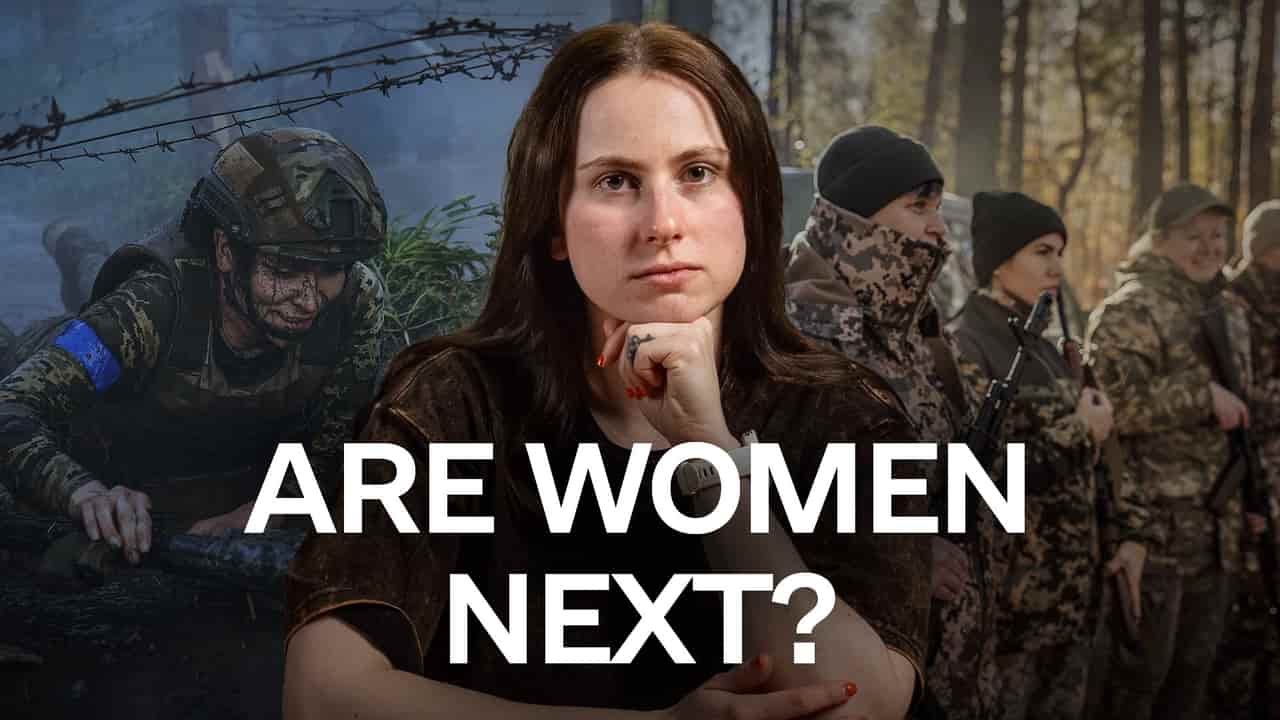
- Ukraine's parliament stated that compulsory mobilization of women is not being considered.
- Over 75,000 women currently serve voluntarily in Ukraine's armed forces.
- Most women in the Ukrainian military serve in medicine, logistics, support, analysis, and drone operations.
- Concerns exist regarding equipment, discrimination, and suitability for front-line combat roles for women in the military.
- Former US Special Envoy Keith Kellogg expressed support for compulsory military service for Ukrainian women.
Ukraine's parliament has issued a statement clarifying that the compulsory mobilization of women into the military is not being considered, following recent public comments from former US Special Envoy Keith Kellogg. Kellogg expressed support for mandatory military service for Ukrainian women, arguing they fight no worse than men and could double the mobilization pool.
However, the Ukrainian parliament stated that such a measure is not being carried out, prepared, or considered. This stance aligns with President Volodymyr Zelensky's previous position against mandating military service for women. Military service for women in Ukraine remains voluntary.
More than 75,000 women currently serve in Ukraine's armed forces, with about 55,000 in military personnel roles and the remainder in civilian positions. Their numbers have nearly doubled since the full-scale invasion began. While military registration is mandatory only for women with medical or pharmaceutical training, most women serve in non-front-line roles such as medicine, logistics, support, analysis, and drone operations.
Analysts and veterans have raised concerns about the practicalities of mobilizing women, particularly for front-line combat roles which have the most acute personnel shortages. Issues include a lack of properly fitted equipment, unwelcoming attitudes from male colleagues, and discrimination. Some veterans, like Oksana Ivanets, support an Israeli-style model where women serve in non-combat positions to free up men for front-line duties, but emphasize the need for significant military adaptation to accommodate women.