Key facts
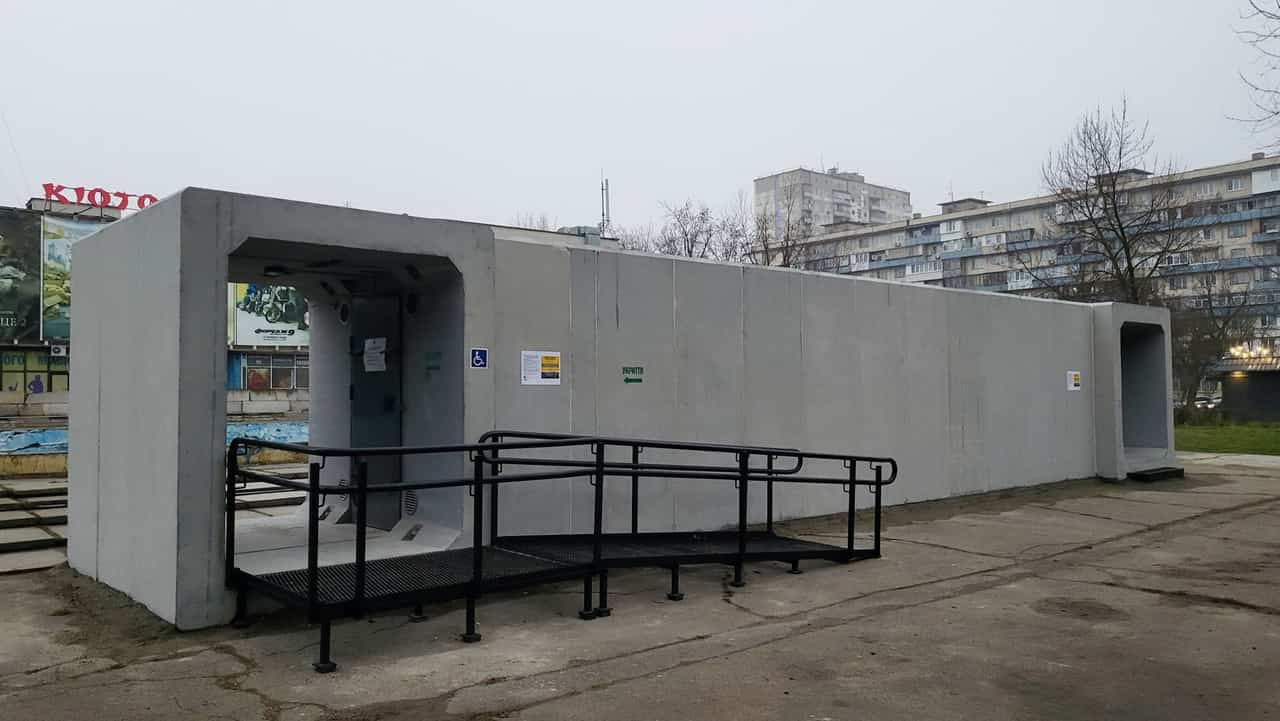
- Kyiv Mayor Vitali Klitschko promised 40-50 mobile shelters within a month on Sept. 12.
- Only 14 mobile shelters are expected to arrive by the end of the year.
- Currently, only four mobile shelters are operational in Kyiv.
- The city requires at least 620 mobile shelters and 7,894 conventional ones.
- The estimated cost for 14 mobile shelters is Hr 54.2 million (about $1.2 million).
Kyiv Mayor Vitali Klitschko's September pledge to install 40 to 50 mobile shelters within a month is set to fall significantly short, with only 14 expected by the end of the year. The Kyiv City State Administration (KMDA) informed media portal Slidstvo.info on October 6 that the delivery timeline and quantity are far less than initially promised.
Klitschko had stated on September 12 that the first batch of "40 or 50 units" would be set up at transport stops within a month, adding that shelters had already been purchased. However, KMDA indicated that the municipal transport company Kyivpastrans will purchase the 14 shelters after its new financial plan is approved. These shelters are intended for transport branches and final public transport lines.
Currently, only four mobile shelters are in operation in the city, installed by private organizations. According to Slidstvo.info, Kyiv requires at least 620 mobile shelters and 7,894 conventional ones. The estimated cost for the 14 new mobile shelters is approximately Hr 54.2 million (about $1.2 million), with individual shelters costing about Hr 4.8 million (about $107,000).
The city administration also noted that several district administrations did not request funding for mobile shelters during the budget drafting process, and the city itself has not purchased any. While the city government allocates funding for shelters, the 10 district state administrations are responsible for construction and repairs, and their heads are appointed by the president. Some facilities are also maintained by individual owners.
Kyiv's civil-protection shelter network comprises 4,385 facilities, with nearly 90% classified as "basic shelters"—typically adapted basements—which do not meet the legal definition of protective civil-defense structures. The KMDA stated that 397 facilities across the capital require work to meet readiness requirements.