Key facts
- Toyota Motor is partnering with U.S. startup Joby Aviation to commercialize electric air taxis.
- A new manufacturing joint venture, Joby Toyota Aero Manufacturing Preparation Company, has been formed with Toyota holding a 51% stake.
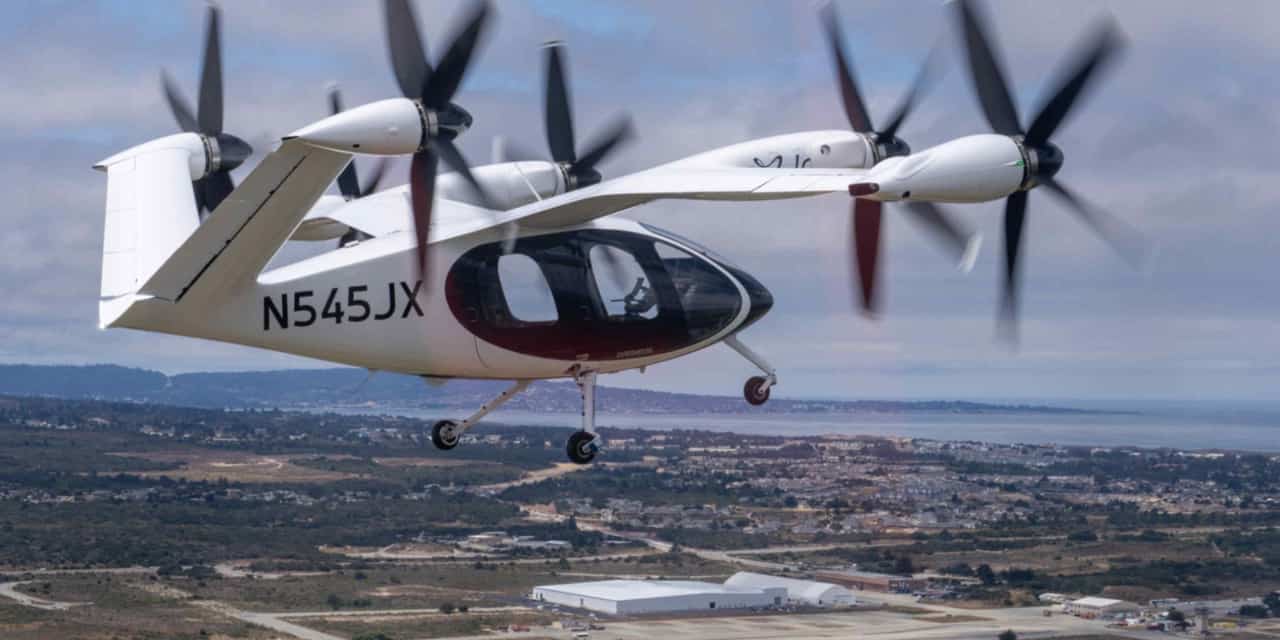
- The Joby S4 eVTOL aircraft is designed to carry a pilot and four passengers at speeds up to 200 mph.
- Toyota has invested roughly $894 million in Joby Aviation since 2019.
- Joby has passed several FAA certification steps and plans to commence flight testing soon.
Toyota Motor is advancing its century-old ambition of flight through a significant partnership with U.S. startup Joby Aviation, aiming to commercialize electric air taxis. The collaboration has culminated in the formation of a manufacturing joint venture, the Joby Toyota Aero Manufacturing Preparation Company, in which Toyota holds a controlling 51% stake.
This venture leverages Toyota's renowned manufacturing prowess, including its production system principles focused on productivity, quality, and cost efficiency, to scale the production of Joby's eVTOL (electric vertical take-off and landing) aircraft. The Joby S4, the aircraft at the center of this initiative, is designed to take off vertically like a helicopter and transition to forward flight, capable of reaching speeds around 200 mph while carrying a pilot and four passengers. The aircraft has already demonstrated its capabilities, including a point-to-point flight across New York City in April 2026.
Toyota's commitment to Joby extends beyond this joint venture, with the Japanese automaker having invested approximately $894 million since 2019, making it the startup's largest external shareholder. The move from financial investment to a shared factory floor signifies a deeper integration, with Toyota deploying around 200 employees to assist Joby in establishing manufacturing operations. Joby has reportedly passed several key Federal Aviation Administration (FAA) certification steps and plans to commence flight testing this year, moving the concept of flying taxis closer to a tangible reality.
While challenges remain, including securing full FAA type certification for passenger flights and proving the economic viability of sky-taxis against traditional transport, the involvement of a major manufacturer like Toyota is seen as a strong indicator of the sector's potential. This partnership suggests a shift from conceptual designs to actual scaled production, potentially marking the beginning of a new era in personal air travel.