Key facts
- Sweden ordered four frigates from French company Naval Group.
- The deal is valued at approximately $4 billion.
- The frigates will triple Sweden's air defense capabilities.
- The first frigate is scheduled for delivery in 2030.
- The acquisition strengthens Sweden's military as a new NATO member.
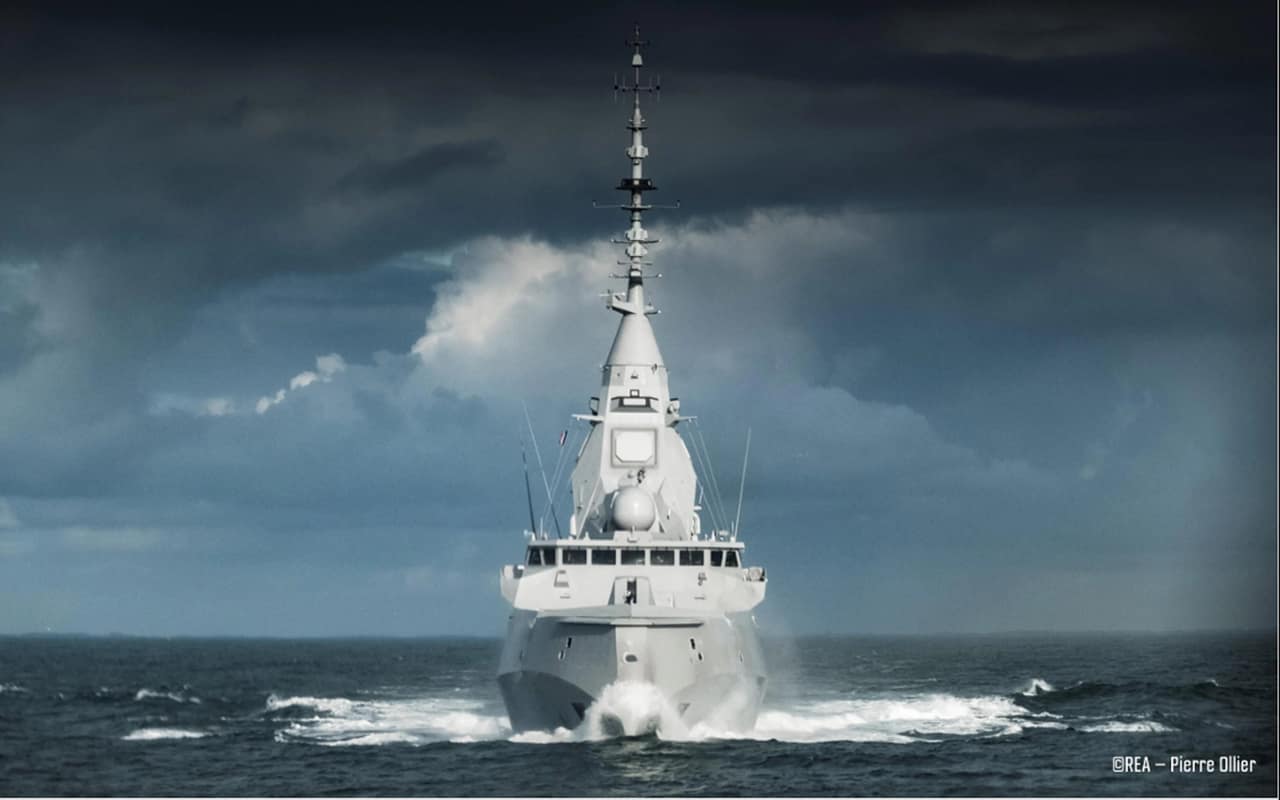
Sweden has officially ordered four frigates from the French company Naval Group, a deal valued at approximately $4 billion. The signing ceremony in Stockholm was attended by French President Emmanuel Macron and Swedish Prime Minister Ulf Kristersson.
The acquisition is set to triple Sweden's air defense capabilities, a critical enhancement for the nation as it builds up its military in the wake of Russia's invasion of Ukraine and its recent accession to NATO. The first of these new frigates, which will be the Swedish navy's largest vessels to date, is expected to be delivered starting in 2030, with subsequent vessels delivered annually.
This significant defense investment underscores a broader European trend toward greater military self-reliance, prompted by evolving security landscapes and questions surrounding U.S. security commitments to the continent. The frigates, designated as FDI (Frégate de Défense et d’Intervention) class, are designed for advanced air defense, including against ballistic missiles, cruise missiles, aircraft, and drones. They will be equipped with both French-Italian Aster 30 and European CAMM-ER air-defense missiles, alongside Swedish systems such as Saab's RBS15 anti-ship missile and Torpedo 47 for anti-submarine warfare.
Swedish military officials, including Supreme Commander Michael Claesson and Navy Chief Johan Norlén, emphasized that the new frigates will enable Sweden to not only defend its territorial integrity but also to secure maritime transport routes and contribute to NATO's collective defense efforts in the Baltic Sea and beyond. The larger size and enhanced capabilities of the frigates, compared to the current corvettes, are necessary for extended endurance missions and to establish sea control within the alliance.