All NewsEducationTVBrokers
Equities & FundsCrypto & Digital AssetsAI & TechnologyBusiness & CorporateUS Politics & PolicyGeopolitics & Global RiskMacro, Rates & FXCommodities & EnergyEuropean Politics & MarketsAsia-PacificReal Estate & Property
All NewsHome
← Back to Geopolitics & Global Risk

Canada leads push for global defence bank amid hesitant allies

Created at 30 Aug · 9:09 AM1 source↑ Market-relevant
IN SHORT

Canada is championing a new global defence bank, the DSRB, aiming to raise €100 billion for low-cost defence project financing. While several nations have pledged support, key economies like Germany and Britain have yet to commit, raising questions about the bank's ability to secure a triple-A credit rating.

Key Numbers

€100 billionTarget capital for Defence, Security and Resilience Bank
$116 billionTarget capital for Defence, Security and Resilience Bank
€5 billionCommitments secured by August
€20 billionTarget paid-in capital
€80 billionAdditional capital that can be tapped
€150 billionEU's SAFE defence financing programme
around €1 billionUpfront capital requested from larger countries
$10 millionFunding or services provided by banks to establish DSRB

Who's Involved

Mark Carney
Canadian Prime Minister and proponent of the DSRB
Isabelle Hudon
Lead negotiator for the DSRB
John Fragos
Press secretary for Canada's finance minister
Rob Murray
Founder of the DSRB and former British Army officer
Andy Burnham
New Prime Minister of Britain
Wes Streeting
British defence minister
Luc Frieden
Luxembourg Prime Minister
William Perraudin
Managing director at Risk Control
Linus Terhorst
Analyst at Royal United Services Institute (RUSI)
JPMorgan
Bank providing funding and services to DSRB
Deutsche Bank
Bank providing funding and services to DSRB
Elisabeth Rudman
Head of financial institution ratings at Morningstar DBRS
Canada leads push for global defence bank amid hesitant allies

↳ Why This Matters

The success of the DSRB could significantly impact global defence spending and industrial capacity, potentially reshaping geopolitical alliances and economic growth in the defence sector. Hesitation from major economies raises questions about the future of collective security financing and the ability of nations to meet increasing defence needs.

Key facts

  • Canada is leading the initiative for a new global defence bank, the Defence, Security and Resilience Bank (DSRB).
  • The DSRB aims to raise approximately €100 billion to provide low-cost financing and guarantees for defence projects.
  • Several countries, including Albania, Belgium, Greece, Latvia, Luxembourg, Romania, Turkey, and Ukraine, have pledged support.
  • Major economies like Germany, Britain, and other G7 nations have not yet committed to joining.
  • Concerns regarding capital commitments, governance, and overlap with existing initiatives are hindering broader participation.

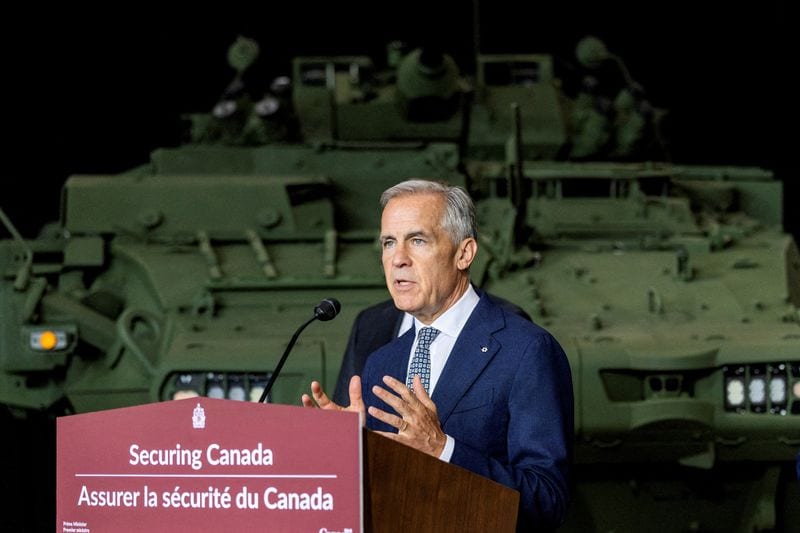
Canada is spearheading the creation of a new global defence bank, the Defence, Security and Resilience Bank (DSRB), intended to bolster allied rearmament efforts. The initiative, championed by Canadian Prime Minister Mark Carney, seeks to raise approximately €100 billion ($116 billion) to offer low-cost loans and guarantees for defence projects and contractors. Several countries, including Albania, Belgium, Greece, Latvia, Luxembourg, Romania, Turkey, and Ukraine, have pledged their support, with around €5 billion in commitments secured by August. However, major economies such as Germany, Britain, and other G7 nations have yet to commit, casting doubt on the DSRB's ability to achieve its desired triple-A credit rating, which is crucial for securing the lowest funding costs. Experts suggest that the participation of several substantial governments is necessary to impress ratings agencies. Potential members have cited strained public finances, concerns over the bank's governance, and potential overlaps with existing initiatives as stumbling blocks. Canada is actively engaging with numerous countries for a charter signing planned for the autumn. The DSRB's founder, Rob Murray, emphasized the need for such a lender to counter mounting security threats and noted that increased defence spending could stimulate technological advancement, job creation, and economic growth. While large European economies can already borrow cheaply, membership could ensure their domestic contractors access DSRB funding. The initiative faces competition from other financing efforts, including the EU's SAFE programme and Britain's proposed Multilateral Defence Mechanism. Concerns also exist regarding the upfront capital required from governments, with larger nations asked to contribute around €1 billion, though this could be paid over three years and potentially yield profits. Britain's defence minister has described the DSRB as an 'interesting and innovative mechanism' and not in direct competition with the MDM. Germany's position remains that of an observer, and Japan has not yet made a decision. Industry groups in Britain and Germany are lobbying their governments to join, fearing exclusion from future projects. Several banks, including JPMorgan and Deutsche Bank, have provided financial support for the DSRB's establishment, with an advertisement in the Financial Times highlighting its potential as a future AAA-rated institution. Canada remains confident in securing the rating and is prepared to launch the bank with its current supporters, allowing others to join later.

Frequently asked questions

The DSRB is a proposed global bank intended to help allies rearm by providing low-cost financing and guarantees for defence projects and contractors.

The bank is seeking to raise around €100 billion, with a target of €20 billion in paid-in capital and a further €80 billion that can be tapped when needed.

Canada, Albania, Belgium, Greece, Latvia, Luxembourg, Romania, Turkey, and Ukraine have pledged their support.

Hesitancy stems from strained public finances, concerns over the bank's governance, potential overlaps with existing initiatives, and the need for substantial sovereign backing to achieve a triple-A credit rating.

What Happens Next

01Charter signing for the DSRB is planned for the autumn.
02Canada will continue discussions with potential member countries.
03Britain may reconsider its participation under new leadership.
04Germany and Japan will continue to review their positions.

How It Developed

Canada proposed the Defence, Security and Resilience Bank (DSRB) to finance defence projects.
The DSRB aims to raise €100 billion for low-cost lending and guarantees.
Albania, Belgium, Greece, Latvia, Luxembourg, Romania, Turkey, and Ukraine have pledged support.
About €5 billion in commitments have been secured by August.
Germany, Britain, and other G7 countries have not yet joined.
Potential members cite capital commitment strain, governance, and overlaps with existing initiatives.
Canada is in talks with many countries for a charter signing planned for autumn.
The DSRB founder stated the lender would help countries rearm due to mounting security threats.

Sources

T1
The battle to build a global defence bankReuters

Related Stories

Greece Signs $3.6 Billion Defence Deal With Israel
30 Aug · 5:16 AM
Finland's Stubb: Russia unlikely to attack NATO
29 Aug · 9:53 PM
Japan to deploy fighter jets to India, signaling closer defense ties amid China concerns
29 Aug · 12:06 PM
Iran vows to bolster defensive capabilities, warns enemies
29 Aug · 1:56 PM
US military families face emotional toll during six-month Iran conflict
29 Aug · 10:06 AM