Key facts
- The Pacific Islands Forum Leaders Meeting in Palau is being overshadowed by geopolitical competition between China and the United States.
- Several leaders, including Kiribati's president, have been unable to attend the summit.
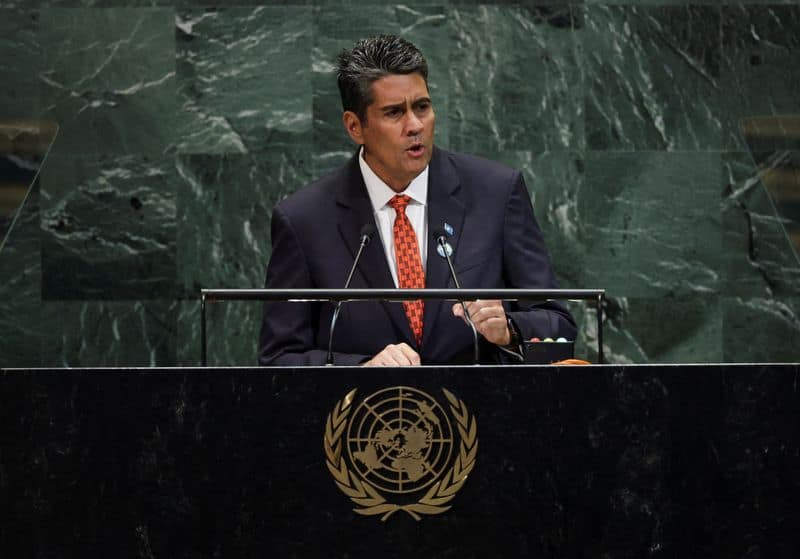
- Palau's President Surangel Whipps Jr. called for the focus to remain on climate change and economic issues, not geopolitical rivalries.
- Forum members failed to issue a statement criticizing China's July missile test due to a lack of consensus.
- Pacific island nations are grappling with severe climate impacts and volatile fuel prices.
- Palau's recognition of Taiwan has drawn a warning from Beijing regarding Taiwanese officials' participation in the forum.
The Pacific Islands Forum Leaders Meeting in Palau is being significantly impacted by the absences of several key leaders and the escalating geopolitical rivalry between China and the United States. The summit, intended to address critical issues for small island nations such as climate change and economic struggles, is instead becoming a focal point for great power competition for influence in the region.
Palau's President Surangel Whipps Jr. urged major powers to refrain from interfering in the forum's discussions, emphasizing that the Pacific is the region's home and not a stage for geopolitical contests. However, the reality on the ground suggests otherwise, with nations like the US, China, and Taiwan vying for alliances among the forum's members.
Many of the 18 member countries and territories of the Pacific Islands Forum, some with very small populations, possess vast exclusive economic zones rich in resources, making their strategic locations crucial in the current global climate. The forum's traditional consensus-based decision-making, known as the "Pacific Way," is reportedly facing pressure, potentially leading to paralysis in action.
A recent example of this division was the failure of the Forum's foreign ministers to agree on a statement criticizing China's launch of a ballistic missile into the South Pacific Ocean, due to the objections of two member states. This highlights the challenges in achieving unified positions on issues important to the island nations.
Pacific island nations are also contending with severe climate impacts, including droughts and floods from the latest El Nino, which threaten food security and water access. Additionally, volatile fuel prices, exacerbated by global conflicts, are causing severe economic shocks in a region heavily reliant on imported energy.
Palau's hosting of the summit comes at a time of heightened tensions, particularly concerning Taiwan, which Palau recognizes. Beijing has warned against the participation of Taiwanese officials, adding another layer of complexity to the forum's proceedings. The summit has already seen disruptions, including the departure of Solomon Islands Prime Minister Matthew Wale due to a domestic leadership challenge.