Key facts
- The Green Climate Fund is seeking more than $10 billion in new pledges.
- The fund is targeting developing countries in Asia for new contributions.
- The United States has officially withdrawn its $4 billion pledge to the GCF.
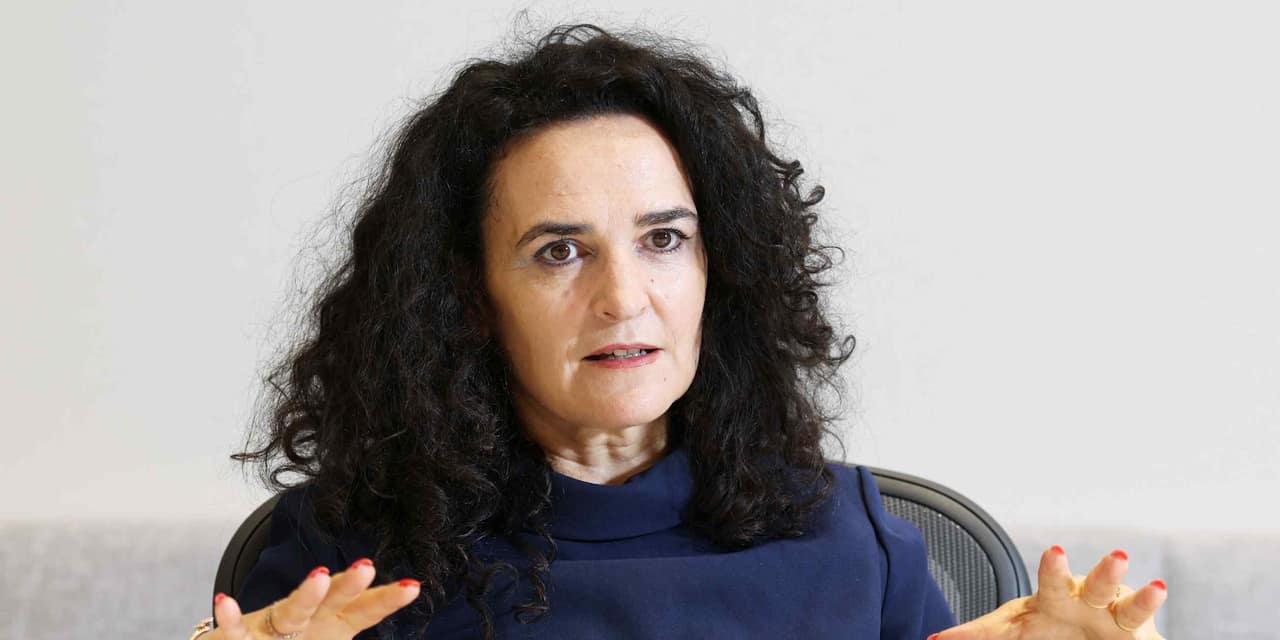
- GCF Executive Director Mafalda Duarte stated that climate action in developing countries has global benefits.
- Duarte emphasized that climate finance investments can unlock economic gain and strategic influence for donor countries.
The United Nations' Green Climate Fund (GCF) is aiming to secure over $10 billion in new funding, with a particular focus on attracting contributions from developing countries in Asia. This initiative follows the United States' official withdrawal of its $4 billion pledge to the fund.
Mafalda Duarte, the GCF's executive director, stated that existing contributors have the capacity to increase their funding and that she is actively encouraging new contributions from both developed and developing nations. She emphasized that investing in climate action in developing countries is strategically and economically important, benefiting donor nations as much as recipients.
Duarte highlighted that climate change is a global issue, and its most severe consequences, such as conflict and migration, will impact all countries unless addressed where it is most critical—in developing nations. She also noted that countries leading in climate finance can gain significant influencing power and shape the global agenda.
The US withdrawal of its pledge, made under previous administrations, is unprecedented for the UN climate fund. While Barack Obama and Joe Biden had committed $3 billion each, only $2 billion of the total promised amount was delivered, partly due to Republican control of Congress at the time of approval. The GCF, established in 2010, has since approved $16 billion worth of projects in 133 countries, with Germany, the United Kingdom, and Japan being major contributors.