Key facts
- US sanctions on ICC President Tomoko Akane limit her financial and digital access.
- Japan's response to the sanctions has been criticized as weak by a nonpartisan parliamentary group.
- A majority of Japanese respondents in a poll found the government's response to the sanctions inappropriate.
Japan's ability to respond to regional pressures from China, Russia, and North Korea is hampered by perceived strains in its alliance with the United States, following US sanctions against the International Criminal Court (ICC) president. The US imposed sanctions on ICC President Tomoko Akane and Senior Trial Lawyer Abdoulaye Seye on August 18, citing the ICC's attempts to assert authority over non-member states' nationals.
Akane stated that the sanctions affected her credit card and email, and that she used EU-based systems to evade them. Japanese Prime Minister Sanae Takaichi described the situation as "very unfortunate" and emphasized continued communication with the US. However, this response drew criticism from a nonpartisan parliamentary group, which demanded an official protest and withdrawal of the sanctions, arguing that the rule-based order is a cornerstone of Japanese diplomacy.
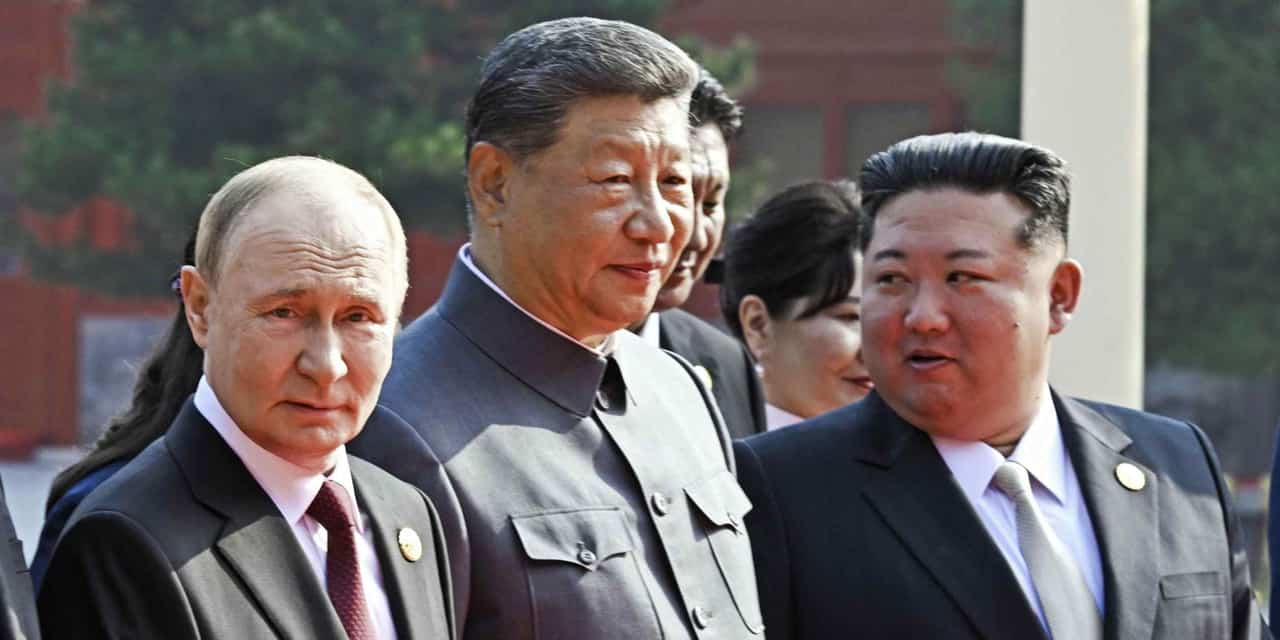
A poll conducted on September 14 indicated that a majority of Japanese respondents found the government's response to the sanctions inappropriate. The country faces a severe regional security environment, including Russia's President Vladimir Putin visiting Etorofu Island, an island claimed by Japan, and strained relations with China.