Key facts
- El Nino is expected to cause drought and resource shortages in the Philippines.
- Critics point to a lack of adequate disaster and infrastructure planning by the government.
- El Nino typically weakens the southwest monsoon and reduces tropical cyclone landfalls.
- Agricultural losses and reservoir drawdowns are historically concentrated in the first half of the year after El Nino peaks.
- Angat Dam, crucial for Metro Manila's water supply, relies on monsoon and typhoon rainfall, which El Nino weakens.
- Low water levels in hydropower reservoirs can reduce margins during peak cooling demand months.
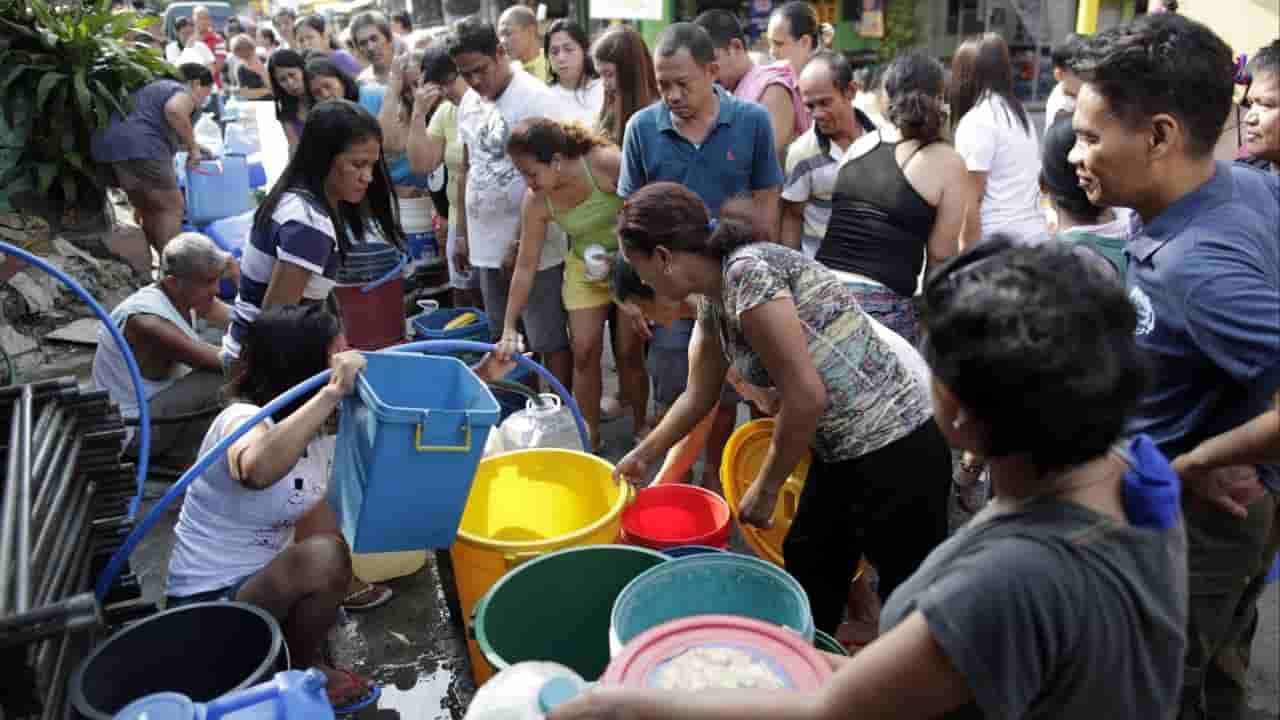
The Philippines is preparing for a prolonged period of drought and resource scarcity as El Nino intensifies. Climate and risk specialists have criticized the government's response, citing a consistent failure in disaster preparedness and infrastructure planning.
El Nino typically weakens the southwest monsoon and reduces the number of tropical cyclones that reach the archipelago, impacting rainfall and water reserves. The most severe consequences, including agricultural losses and deep reservoir drawdowns, historically occur in the first half of the year following the phenomenon's peak.
Metro Manila's water security, largely dependent on Angat Dam, is particularly vulnerable as the dam relies on monsoon and typhoon rainfall. Hydropower generation also faces risks due to lower water levels during months of high cooling demand. Rice and corn crops are most susceptible to damage, especially in rain-fed areas and during the second cropping season.