Key facts
- Russia deployed nearly 2,000 attack drones, over 1,600 glide bombs, and 31 missiles against Ukraine in the last week.
- Moscow has shifted to prolonged daytime drone attacks, causing constant air raid alerts in Kyiv.
- Civilian infrastructure, including homes and businesses, has been damaged.
- An ammunition depot strike in Myla killed at least 38 people and injured 20, with four still missing.
- Ukrainian drones destroyed Russian air defense and radar systems at Yeysk and Millerovo airfields.
Russia has intensified its attacks on Ukraine, deploying nearly 2,000 drones, over 1,600 glide bombs, and 31 missiles in the past week. Moscow has increasingly adopted a tactic of prolonged daytime drone attacks, particularly targeting Kyiv, leading to constant air raid alerts and damage to civilian infrastructure, including homes and businesses.
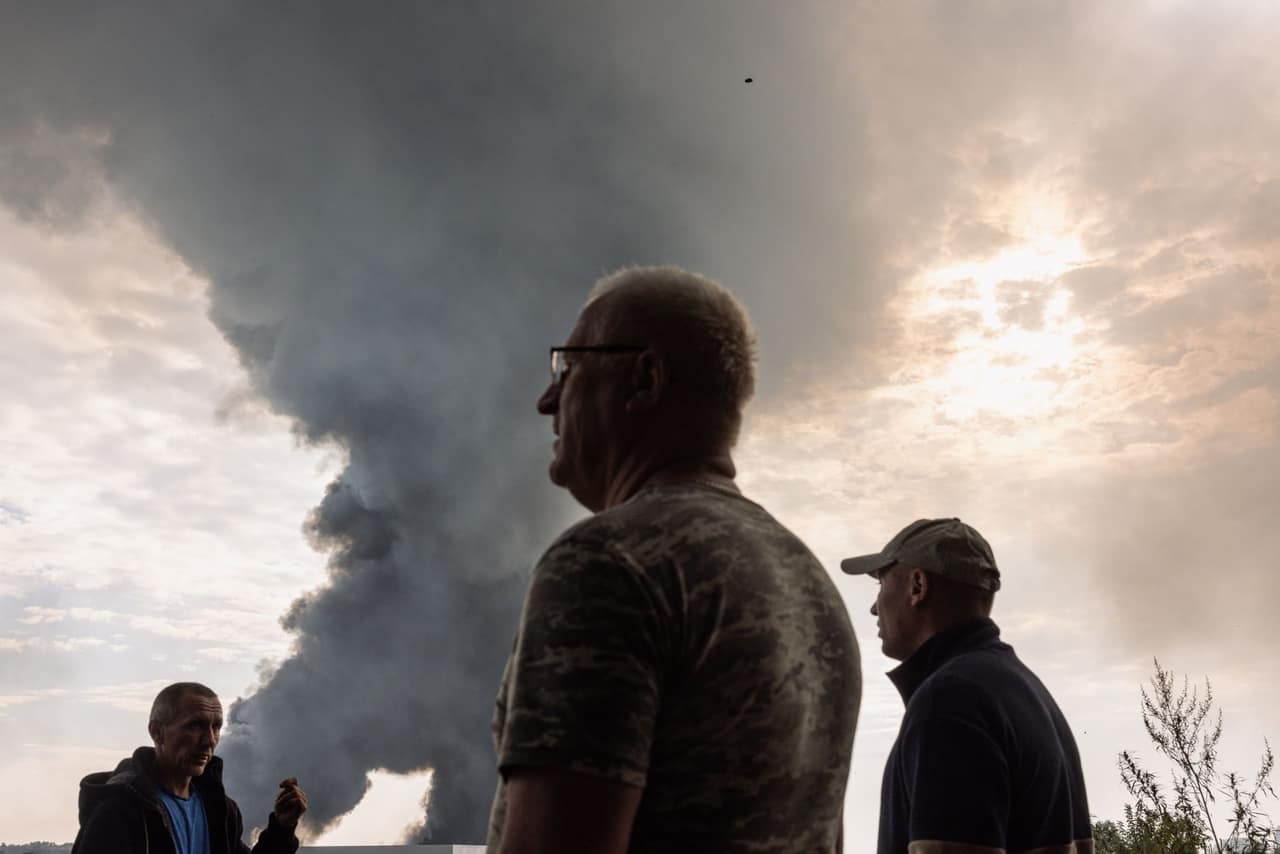
One significant strike on an ammunition depot in Myla, west of Kyiv, on August 28, killed at least 38 people and injured 20, with four still missing. The attack triggered detonations of shells, mines, and other ammunition. The aftermath also damaged 130 residential buildings and a care facility.
In response to the escalating attacks, Ukraine has conducted overnight long-range strikes on Russian military infrastructure. Unmanned Systems Forces Commander Robert "Madyar" Brovdi reported that Ukrainian drones destroyed air defense and radar systems at the Yeysk and Millerovo airfields in Russia.
Meanwhile, Ukrainian military intelligence suggests Russia is preparing operational scenarios for an offensive in northern Ukraine, with Kyiv and Chernihiv identified as key areas. However, no new offensive groupings have been detected in these directions yet.
Kremlin spokesperson Dmitry Peskov stated that a summit between Russian President Vladimir Putin, U.S. President Donald Trump, and President Volodymyr Zelensky would only be possible to formalize pre-agreed settlements, indicating no immediate progress on peace efforts.