Key facts
- Turkey has developed a plan for safe grain passage through the Black Sea.
- Foreign Minister Hakan Fidan confirmed contact with both Russia and Ukraine regarding the plan.
- The goal is to revive a deal similar to the 2022 Black Sea Grain Initiative.
- Russia exited the previous agreement in 2023, citing issues with its own export facilitation.
- The ongoing blockade has led to a 4-4.5% increase in global grain prices.
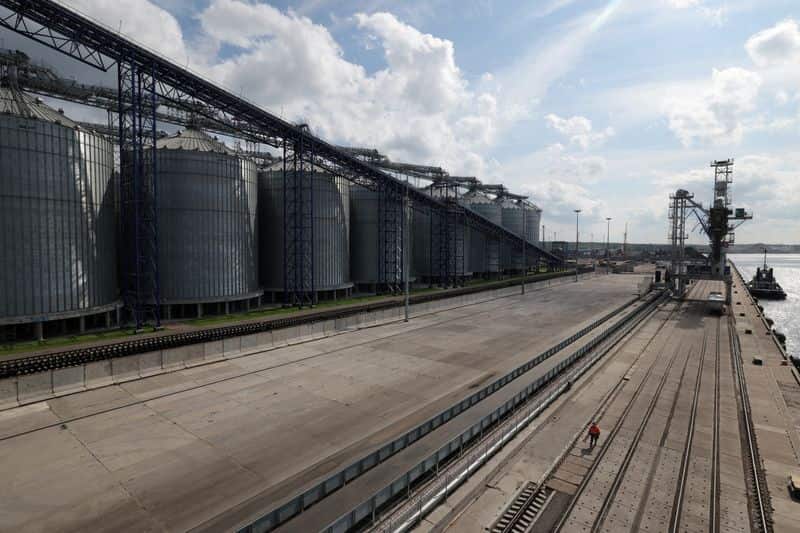
Turkey has put forth a plan to ensure the safe passage of grain through the Black Sea and is actively engaging with both Russia and Ukraine to gain their agreement. Foreign Minister Hakan Fidan announced the initiative, expressing Turkey's desire to re-establish a deal similar to the U.N.-brokered Black Sea Grain Initiative that facilitated Ukrainian grain exports during wartime.
The original deal, established in July 2022, allowed for the export of nearly 33 million metric tons of Ukrainian grain. However, Russia withdrew from the agreement in July 2023, citing unfulfilled conditions regarding its own food and fertilizer exports. The subsequent blockade of trade routes in the Black Sea has significantly disrupted global grain shipments, with an estimated 100 million metric tons of produce unable to reach the market. This disruption has already led to a 4-4.5% increase in global grain prices, with warnings of further increases if the issue persists.
Intensive negotiations are underway between Turkey, Russia, and Ukraine, though the specific timeline and details of the proposed mechanism remain unclear. The Turkish Ministry of Foreign Affairs and the Ministry of Transport and Infrastructure are reportedly maintaining continuous contact with both Moscow and Kyiv. For Turkey, a consistent supply of raw materials is crucial for its own processing industry, which generated $13 billion in exports last year. A prolonged blockade could result in substantial economic losses for the country.