Key facts
- Spain's general election is set for November 29, 2026, with Sanchez's Socialists facing the electorate.
- Polls cited by Reuters put backing for Sanchez's party at 26% to 29%, unchanged from before the election call.
- A People's Party and Vox alliance is seen as the most likely next government, per the report.
- Unions said a general strike on Wednesday, November 11, 2026, drew more than 3 million people.
- Talks among Spain's left-of-centre parties to form a united platform broke down in October 2026.
- Podemos, polling at 1.9%, refused to join the new Broad Front or ally with the incumbents.
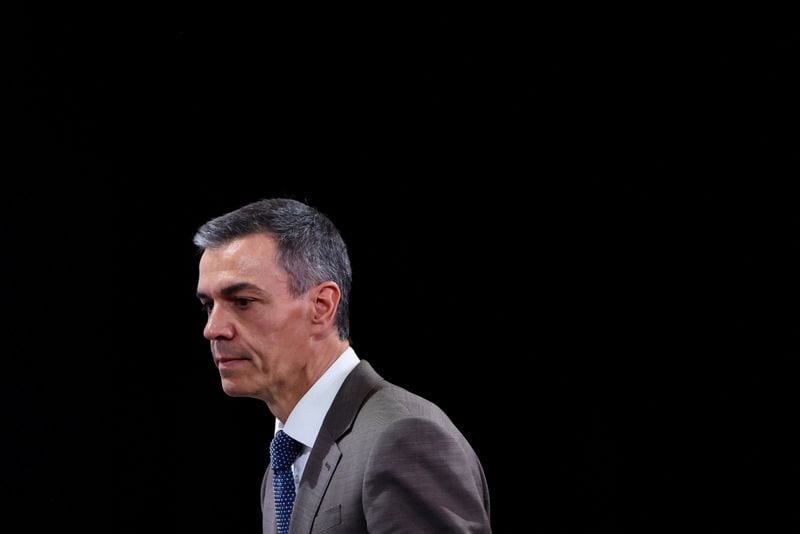
Spain's Prime Minister Pedro Sanchez called a snap election in October 2026, betting that anger over housing and fear of the far right would rally all shades of the left behind his Socialists. Interviews and polls cited by Reuters suggest many potential supporters are too angry about the status quo and the perceived failings of his government to oblige.
The eviction of 87-year-old Maricarmen Abascal in September 2026, and her subsequent death, triggered protests over a housing crisis that culminated in a general strike. Unions said the strike brought more than 3 million people onto the streets on Wednesday, November 11, 2026.
"Every generation has its own struggle, for us, that struggle is housing," Sanchez said at his first rally after calling the vote. His challenge as he prepares to face the electorate on November 29 is that protests led by movements further to his left have moved beyond accommodation.
Two deadly train crashes, corruption convictions in Sanchez's inner circle and a rush of migrants into the Spanish enclave of Ceuta have taken their toll on his support, according to the report. Polls show backing for his party hovering around the 26% to 29% level recorded before he called the election.
Without a shift in the next two weeks, an alliance between the conservative People's Party and far-right Vox is seen as the most likely next government. Vox is a hardline nationalist party championing tighter borders and deregulation.
Interviews with left-of-centre politicians, activists and voters suggested that for many, disillusionment with the status quo outweighs the urge to keep the far right out. The breakdown of talks among Spain's left-of-centre parties to form a united platform means disgruntled leftist voters face a choice between sticking with the Socialists, abstaining, or voting for a smaller party that might end up letting the right in.
"Voting isn't enough," said Alicia del Rio, spokesperson for the Tenants Union which called the strike. She said it was vital not to "hand fascism a seat" but voting was just one way to make a difference, vowing the movement would ensure housing remained the main issue in the campaign.
On the campaign trail, Sanchez has deployed the roulette-table phrase "all on red" to appeal for tactical votes in provinces with just a handful of seats. Political consultant Ivan Redondo, a former campaign strategist for Sanchez, told reporters that with more than a million voters still undecided, just four in five left-leaning Spaniards backing the Socialists in small provinces could turn things around.