Key facts
- SpaceX's Starship rocket reached orbit for the first time on Monday.
- 26 Starlink V3 satellites were deployed during the Starship launch.
- Rocket Lab secured its largest launch service agreement with Synspective for 20 missions.
- Omnidea acquired the assets and intellectual property of the defunct rocket developer Orbex.
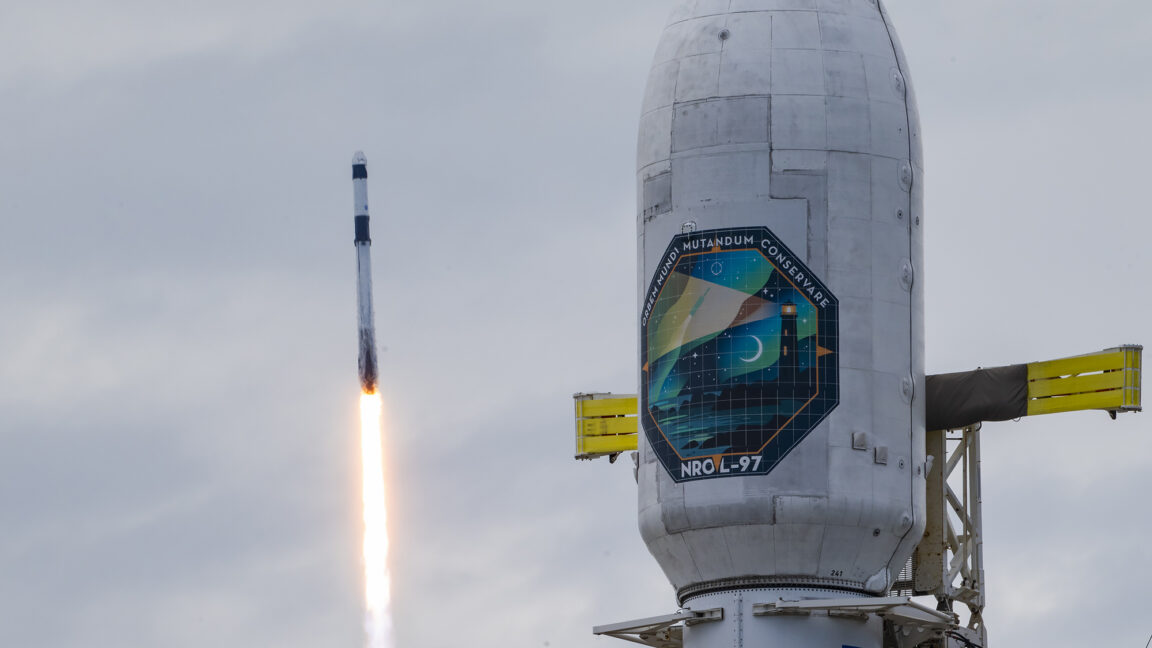
- A SpaceX Falcon 9 rocket launched four astronauts to the International Space Station.
- SpaceX's Transporter-18 rideshare mission deployed 130 payloads.
SpaceX achieved a significant milestone this week with the first successful orbital launch of its Starship rocket, deploying 26 new-generation Starlink V3 satellites. This marks a critical step for the company's satellite internet constellation.
In other launch news, Rocket Lab secured its largest launch service agreement to date, a 20-mission deal with Japanese company Synspective for its radar Earth-imaging satellites. This agreement brings Synspective's total bookings with Rocket Lab to 47 launches. Rocket Lab's founder and CEO, Peter Beck, highlighted the deal as a vote of confidence in the company's Electron rocket.
Separately, Portuguese space technology business Omnidea has acquired the assets and intellectual property of the defunct Scottish rocket maker Orbex. Omnidea plans to establish UK operations at Orbex's former manufacturing facility in Scotland.
SpaceX also successfully launched a four-person crew on a Falcon 9 rocket from Cape Canaveral Space Force Station to the International Space Station for a six-month expedition. The mission, notable for having Jessica Watkins as the first Black woman to lead a space mission, involved a repair to the Dragon spacecraft's propulsion system.
Additionally, SpaceX conducted a Falcon 9 rideshare mission from Vandenberg Space Force Base, deploying 130 payloads including an AI prototype from Google and pharmaceutical manufacturing labs. Meanwhile, Canada Rocket Company is advancing its plans for a medium-lift rocket, aiming to skip the small launch segment.