Key facts
- South Korea's central government is considering using part of Seoul's Yongsan Park for housing development.
- Seoul Mayor Oh Se-hoon opposes using any part of Yongsan Park for housing, citing climate change and the need for green space.
- The national government views the Yongsan site as a potential solution to Seoul's housing supply pressures.
- Preserving Yongsan Park as a green space is a priority for the Seoul Metropolitan Government.
- Housing affordability is a significant political issue in South Korea.
- Changes to the special law governing Yongsan Park's creation would be required for housing construction.
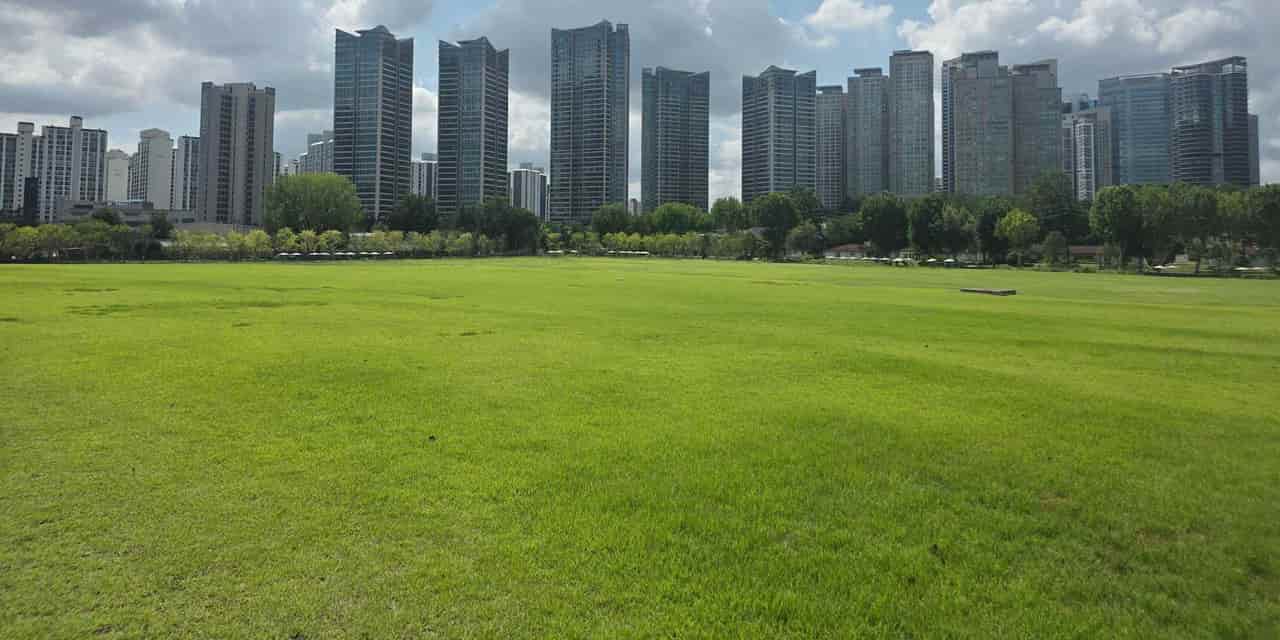
Seoul is facing a debate over the future of Yongsan Park, a large green area in the city center that was formerly the U.S. Yongsan Garrison. The national government, led by the Lee Jae Myung administration, is considering using parts of the site for housing development to alleviate the capital's ongoing housing supply crunch and affordability issues. This proposal has met strong opposition from the Seoul Metropolitan Government, headed by Mayor Oh Se-hoon, who argues for the preservation of the park as a vital urban green space, especially in light of climate change and increasing heat waves.
Minister of Land, Infrastructure and Transport Kim Yun-duk has indicated that the government is examining various options, including the entire Yongsan Park site, for housing. He stated that any development would necessitate discussions with the National Assembly, the Seoul Metropolitan Government, Yongsan District, and the U.S. military. However, Kim also suggested that Seoul's approval might not be a legal prerequisite for the government to proceed with housing policies.
Mayor Oh has maintained that protecting the city's limited green space is a matter of principle, regardless of housing difficulties. The dispute highlights a broader tension in South Korea between the need to increase housing supply in densely populated urban areas and the growing demand for parks and healthier urban environments, a trend seen in major cities globally.