Key facts
- Shinjuku Ward, a major tourist hub in Tokyo, will ban over 50% of its short-term rentals.
- The ban targets private lodging in residential zones and areas near schools.
- Residents have filed numerous complaints regarding issues such as improper trash disposal, noise, and smoking violations.
- The number of complaints in Shinjuku increased by approximately 40% in the fiscal year ending March.
- The new regulations are expected to affect up to 2,000 lodgings, nearly half of the total in the ward.
- Kyoto is also considering similar restrictions on short-term lodging.
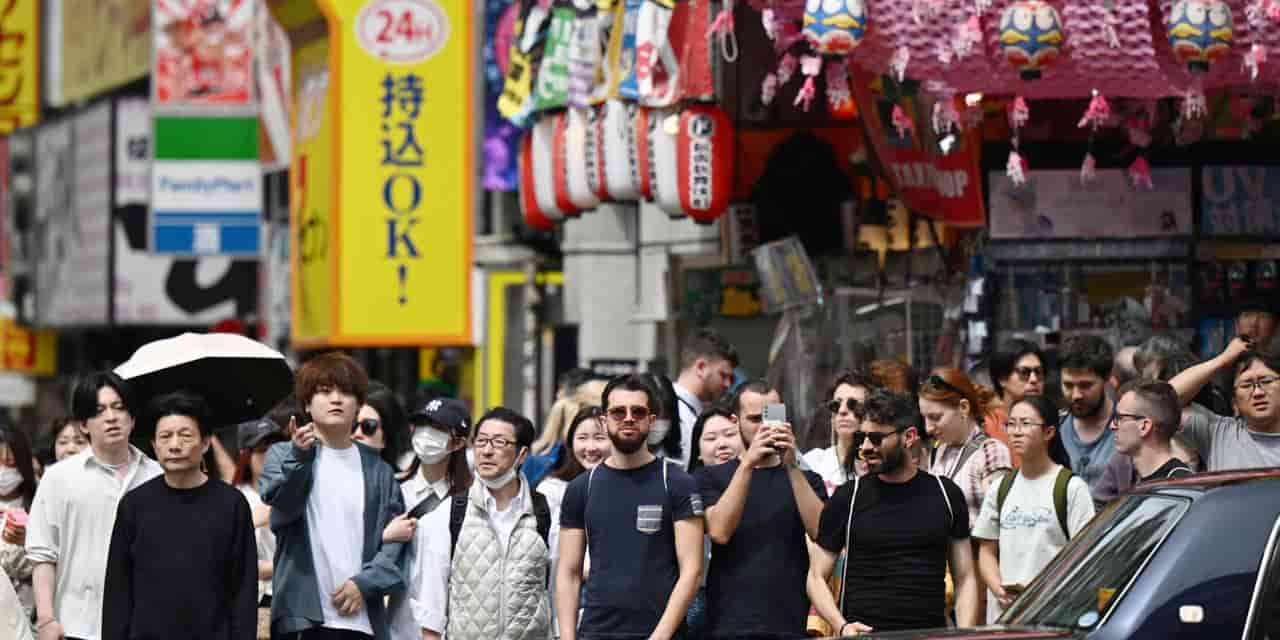
Tokyo's Shinjuku Ward, a bustling commercial and entertainment district, is set to ban more than half of its short-term rental accommodations, including those listed on platforms like Airbnb. This move follows a significant increase in complaints from residents concerning issues such as improper trash disposal, noise disturbances, and smoking in prohibited areas.
The ward, which hosts nearly 10 percent of Japan's 42,000 short-term rentals, has seen a roughly 40% rise in complaints over the past fiscal year. Officials stated that the current ordinance will be revised to prohibit private lodging in residential zones and areas near schools, a measure that could impact up to 2,000 properties.
This crackdown aligns with a global trend of cities attempting to regulate the short-term rental market to mitigate the effects of overtourism. In Japan, residents in popular destinations like Kyoto have also voiced concerns about disruptive tourist behavior, traffic congestion, and rising property prices.
The Japan Tourism Agency has empowered municipalities to impose regulations if a "tranquil living and educational environment" is threatened. Kyoto is also considering similar restrictions, though potentially only for new rentals. Shinjuku plans to reduce the maximum annual rental days for properties in residential areas from 180 to 120 and will seek public feedback on the proposed ordinance revisions.