Key facts
- The Northern Metropolis could become a viable option for educational institutions seeking to expand facilities.
- Infrastructure development in the Northern Metropolis will be key to attracting educational tenants.
- HKUST leased 24,000 sq ft for back-office operations in Kwun Tong.
- CUHK leased 113,000 sq ft in Shatin for teaching and administrative purposes.
- Overall Grade A office rents in Hong Kong increased by 0.9% month-on-month in August.
- Overall Grade A office vacancy rates declined to 12.5% in August.
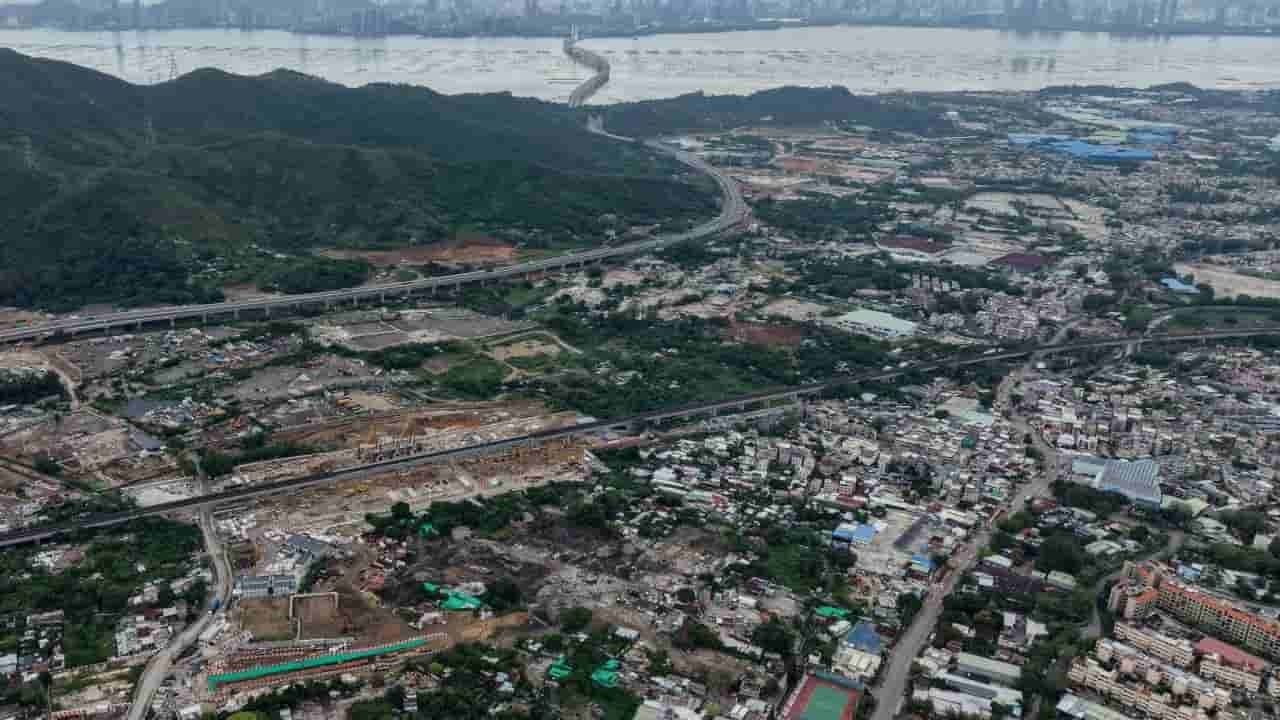
The Northern Metropolis in Hong Kong could potentially attract educational institutions looking to expand their teaching, research, and administrative facilities, according to property analysts. This development could shift demand away from the city's Grade A office sector, with the success of such a move depending on the infrastructure that will serve the new area.
Leasing activity from the education sector has been a modest but growing contributor to office demand, particularly in non-core business districts. JLL's latest Hong Kong Monthly Market Dynamics report, released on September 24, 2026, highlighted notable transactions. The Hong Kong University of Science and Technology (HKUST) expanded its back-office operations by 24,000 sq ft at Manulife Financial Centre Tower B in Kwun Tong. Additionally, the Chinese University of Hong Kong (CUHK) reportedly leased six floors totaling 113,000 sq ft at Grand Central Plaza in Shatin for teaching and administrative purposes.
Alex Barnes, Co-CEO at JLL in Greater China, noted that as clarity emerges on land allocation and university town positioning in the Northern Metropolis following the Policy Address, universities and student accommodation investors are expected to become more active in leasing and investment markets. Overall Grade A office rents in Hong Kong saw a modest increase of 0.9% month-on-month in August, primarily driven by a 1.5% rise in Central. However, the recovery was uneven, with Hong Kong East experiencing a 0.3% decline in rental values. Overall vacancy rates improved slightly, falling by 0.3 percentage points to 12.5%, though Hong Kong East saw its vacancy rate increase by 1.1 percentage points.