Key facts
- Canada is on the right track to addressing housing affordability but needs more time, says Bank of Canada Deputy Governor Carolyn Rogers.
- Restoring affordability requires more supply, better planning, infrastructure, regulations, and demand-neutral incentives.
- Rogers described the housing market as a 'trap' due to the dual impact of rising and falling prices.
- Monetary policy is considered too blunt a tool to directly address housing affordability issues.
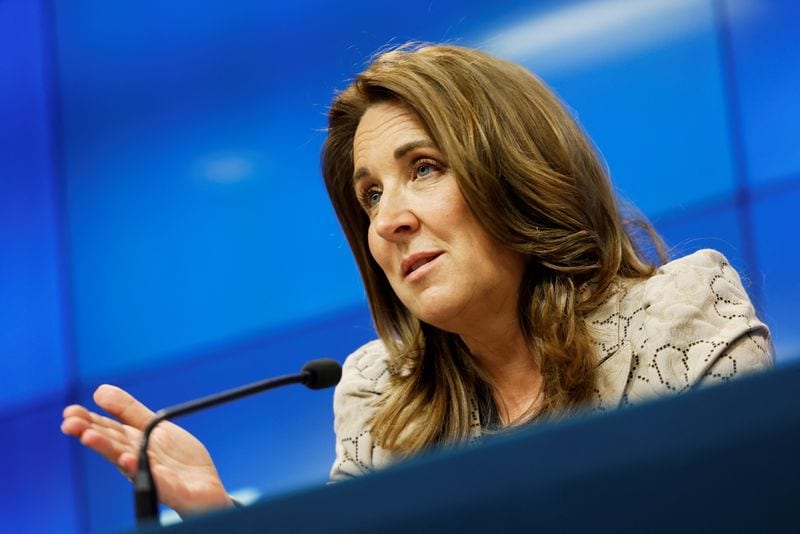
Canada is making progress on addressing housing affordability but still has a long way to go and requires more time, according to Carolyn Rogers, a senior deputy governor at the Bank of Canada. Speaking in Victoria, British Columbia, Rogers emphasized that restoring affordability will necessitate a combination of increased housing supply, improved planning and infrastructure, regulations to ensure market resilience, and incentives that do not exacerbate demand in an already undersupplied market.
Rogers described the housing market as a "trap," where rising prices push rents higher and limit people's ability to buy homes, while falling prices shrink overall household wealth. She stated that achieving affordability requires a mixed policy approach that boosts supply, protects resilience, and lessens the economy's reliance on escalating house prices.
"We're on the right track on many of these things, but we have a way to go and it will take time," Rogers said. She also noted that while monetary policy can influence demand across the economy, including for housing, it is too blunt an instrument to effectively tackle affordability issues. Rogers added that there are no simple fixes within the monetary policy framework for this problem and that the Bank of Canada needs to better communicate these trade-offs to the public.