Germany vows security overhaul after Berlin Pride attack, suspect released
IN SHORT
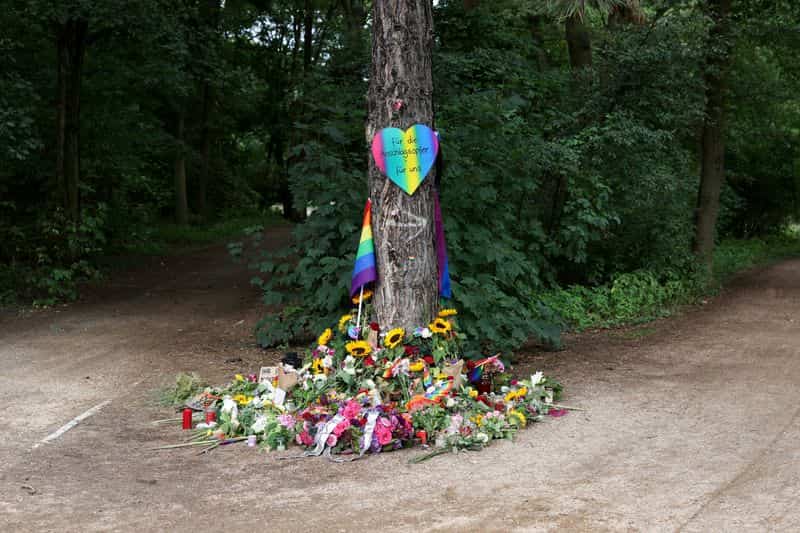
Germany's interior minister announced a security overhaul following a deadly car-ramming attack at Berlin's Pride event. The primary suspect was killed by police, and a second suspect has been released.
Key Numbers
21-year-oldage of primary suspect
29injured in attack
onewoman killed
Who's Involved
Abdul Ballout
primary suspect in Berlin Pride attack, shot dead by police
German federal prosecutors
released a second suspect in the Berlin Pride attack
Germany's interior minister
announced a security overhaul following the attack
Abdul Malik
falsely identified as suspect on social media
↳ Why This Matters
The attack and subsequent spread of misinformation highlight ongoing security concerns in Germany and the challenges authorities face in controlling narratives during major incidents. The security overhaul signals a response to perceived vulnerabilities, while the false identifications underscore the dangers of online disinformation.