Key facts
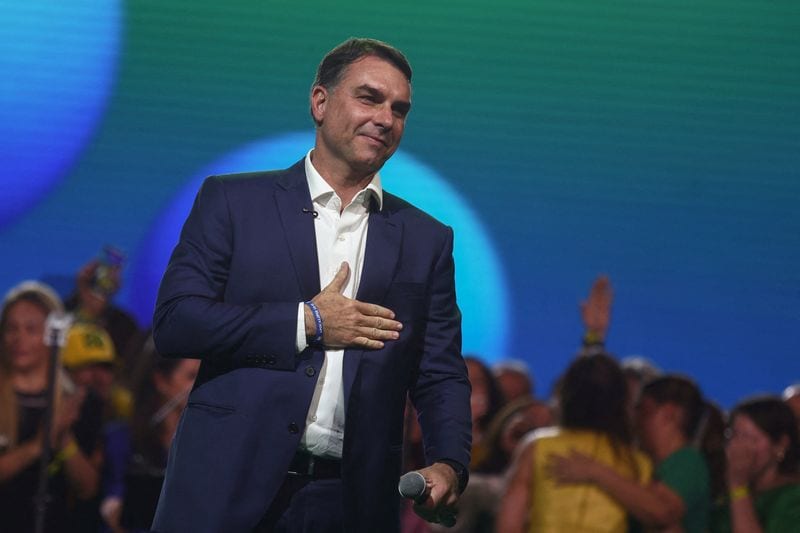
- Former Brazilian President Jair Bolsonaro, under house arrest, appeared via an AI-generated avatar at his son Flavio Bolsonaro's presidential campaign launch.
- The AI avatar delivered a message of hope and introduced Flavio Bolsonaro as his chosen successor.
- The use of the AI avatar has been challenged in court by leftist parties, who argue it violates electoral rules against synthetic media influencing voters.
- Brazilian electoral court rules ban the use of fabricated or manipulated content in electoral advertising that could undermine election fairness.
- Justice Kassio Nunes Marques stated that AI use in campaigning is permissible as long as it does not cause harm.
Former Brazilian President Jair Bolsonaro, currently under house arrest, made a surprise appearance at his son Flavio Bolsonaro's presidential campaign launch using an AI-generated avatar. The avatar delivered a message of hope and introduced Flavio as his chosen successor, a move that has been promptly challenged in court by leftist parties. This incident raises significant questions about how artificial intelligence might reshape the upcoming presidential race in Brazil, particularly concerning its potential to serve as a political surrogate for leaders barred from direct communication with voters.
Critics argue that the use of synthetic media in campaigns could violate Brazilian electoral rules designed to prevent the spread of misinformation and manipulation that could undermine election fairness. The case tests the boundaries of current regulations, with some legal experts suggesting Bolsonaro might avoid penalties by claiming he did not authorize the specific AI-generated message. However, the broader implications for controlling AI in elections and its potential to circumvent judicial restrictions remain a significant concern.
In the broader electoral landscape, Luiz Inacio Lula da Silva leads Jair Bolsonaro in simulated runoff polls, with 47% support compared to Bolsonaro's 43%. The election's outcome is expected to influence Brazil's relationship with China and global trade policies, with candidates' stances on these issues being key factors.