Key facts
- Saudi Arabia is considering expanding its East-West crude pipeline capacity by up to 2 million barrels per day.
Saudi Arabia is exploring a significant expansion of its East-West crude pipeline, potentially adding 2 million barrels per day. This move aims to bypass the Strait of Hormuz, reducing reliance on the vulnerable chokepoint amid ongoing regional tensions and shipping disruptions.
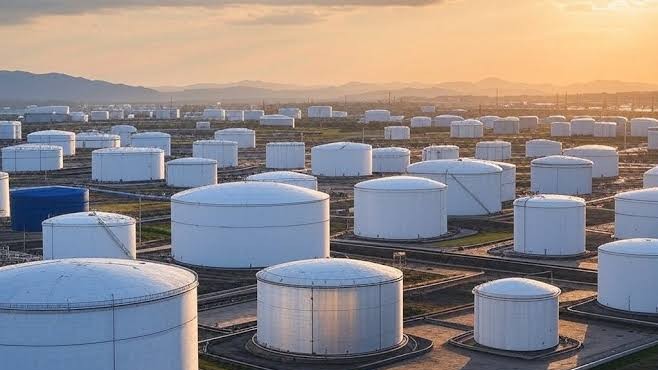
This potential pipeline expansion signifies Saudi Arabia's strategic effort to mitigate geopolitical risks associated with the Strait of Hormuz, ensuring more stable oil exports to global markets and potentially reshaping regional energy trade dynamics.
Saudi Arabia is reportedly considering a significant expansion of its East-West crude pipeline, a move that could increase its capacity by as much as 2 million barrels per day. This strategic initiative aims to allow the kingdom, and potentially other Gulf producers, to export more oil without transiting the Strait of Hormuz, a critical and increasingly vulnerable chokepoint.
The existing pipeline, operational since the early 1980s, currently has the capacity to move up to 7 million barrels per day from Saudi Arabia's eastern oil fields to the export terminal at Yanbu on the Red Sea. During periods of heightened tension, this infrastructure has proven invaluable for bypassing the Persian Gulf.
According to Reuters, preliminary discussions have already taken place with neighboring countries, including Kuwait, which lacks an alternative export route. Iraq's existing pipeline to Turkey has faced persistent issues, and Qatar is reportedly assessing the feasibility of its liquefied natural gas (LNG) exports utilizing alternative routes through Saudi Arabia.
While the project would require substantial investment and several years to complete, recent geopolitical events and disruptions to commercial shipping, including elevated war-risk insurance costs, have fundamentally altered the risk-reward calculus for Gulf producers. Despite a recovery in traffic through Hormuz since a U.S.-Iran agreement, commercial shipping volumes remain below pre-war levels, and Iran has continued to assert potential regulatory control over the waterway.
Pick the topics you care about. Get only what matters, on your cadence.