Key facts
- UANI said the SOGL loaded Iranian LPG at Assaluyeh in late August and crossed the blockade on September 1.
- The Treasury Department sanctioned the SOGL on October 8 as one of 17 shadow fleet vessels.
- Treasury said the SOGL has transported more than two million barrels of Iranian propane and butane since September 2025.
- UANI said about nine small tankers carrying Iranian LPG have passed the blockade line since July.
- UANI said the DANDELION was likely attempting to breach the blockade with 490,000 barrels of Iranian LPG on October 26.
- UANI analyst Jemima Shelley said China now takes almost 100% of Iran's oil and LPG exports.
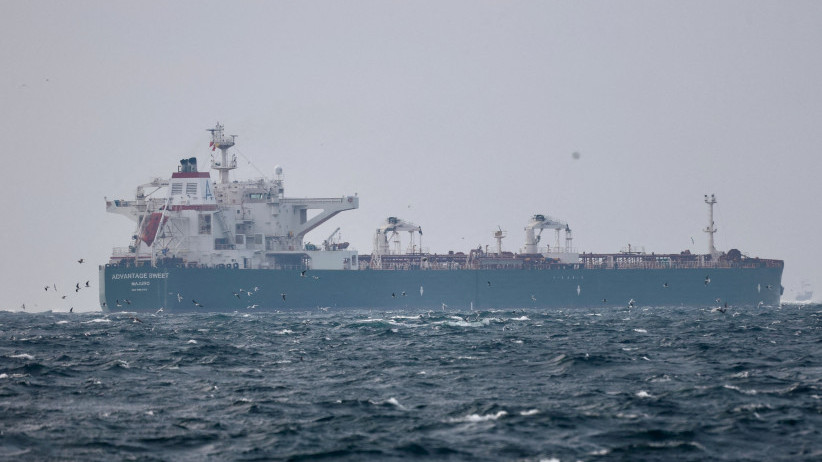
A sanctioned Iranian tanker carrying about 500,000 barrels of liquefied petroleum gas crossed the U.S. naval blockade and delivered its cargo to China, according to United Against Nuclear Iran, which told Fox News it filmed the vessel along the way.
The ship, the SOGL (IMO 9208227), loaded Iranian LPG at Assaluyeh Port in late August and got past the blockade on September 1, UANI said. The group said it chartered a supply boat and ran about 100 nautical miles out to the EOPL anchorage off Malaysia on September 16, where it filmed the SOGL taking on fuel and services. The tanker then sailed north into the South China Sea and discharged at Xinzhou Port in China.
On October 8, the Treasury Department sanctioned the SOGL as one of 17 shadow fleet vessels. Treasury said the Comoros-flagged tanker, owned by Marshall Islands-based Gravion Maritime Company, "has transported more than two million barrels of Iranian propane/butane since September 2025." Treasury Secretary Scott Bessent said the action was "starving the tyrannical regime in Tehran of the money it uses to wage war in the region."
In its October 29 shipping update, UANI wrote that since the blockade was reinstated in July, "only around nine small tankers carrying Iranian LPG have successfully passed the blockade line." On crude, the group said it has not tracked a single tanker laden with Iranian crude that left the Gulf of Oman and avoided U.S. enforcement since July 12.
UANI senior analyst Jemima Shelley told Fox that the small tankers switch off their AIS transponders, often fly a false flag so they present as stateless, run the Strait of Hormuz, and hand the cargo to another ship in the Gulf of Oman, which then tries the blockade line. She said doing that with LPG is risky, which is also why U.S. forces mostly try to turn the small gas tankers around rather than use force.
UANI said the DANDELION (IMO 9379404) "is likely attempting to breach the U.S. maritime blockade, laden with 490,000 barrels of Iranian LPG," which it took on from the SEA OPERA in a ship-to-ship transfer off Shinas, Oman, on October 26. The SEA OPERA had loaded at Assaluyeh on August 26 and spent two months loitering in the Gulf of Oman.
Shelley called Malaysia's EOPL anchorage a "key node in Iran's oil trade to China" and said Malaysian authorities appear to be "looking the other way." UANI counts about 20 tankers from its "Ghost Armada" list still loitering at the EOPL, and another 22 anchored or loitering just north of it, which it said most likely moved after recent enforcement by Malaysian maritime authorities.