Key facts
- Justice Samuel Alito's first book, "So Ordered: An Originalist's View of the Constitution, the Court and Our Country," is scheduled for publication in October.
- Two new biographies on Alito are being released this month, exploring his conservative legal philosophy and impact on the Supreme Court.
- Alito, 76, has served on the Supreme Court for 20 years and is considered a leader of its conservative wing.
- He authored the majority opinion in Dobbs v. Jackson Women's Health Organization, which overturned Roe v. Wade.
- Alito stated he considered retiring but chose to remain on the court, believing he could still make valuable contributions.
- Alito has become more outspoken in defending his judicial decisions in recent years.
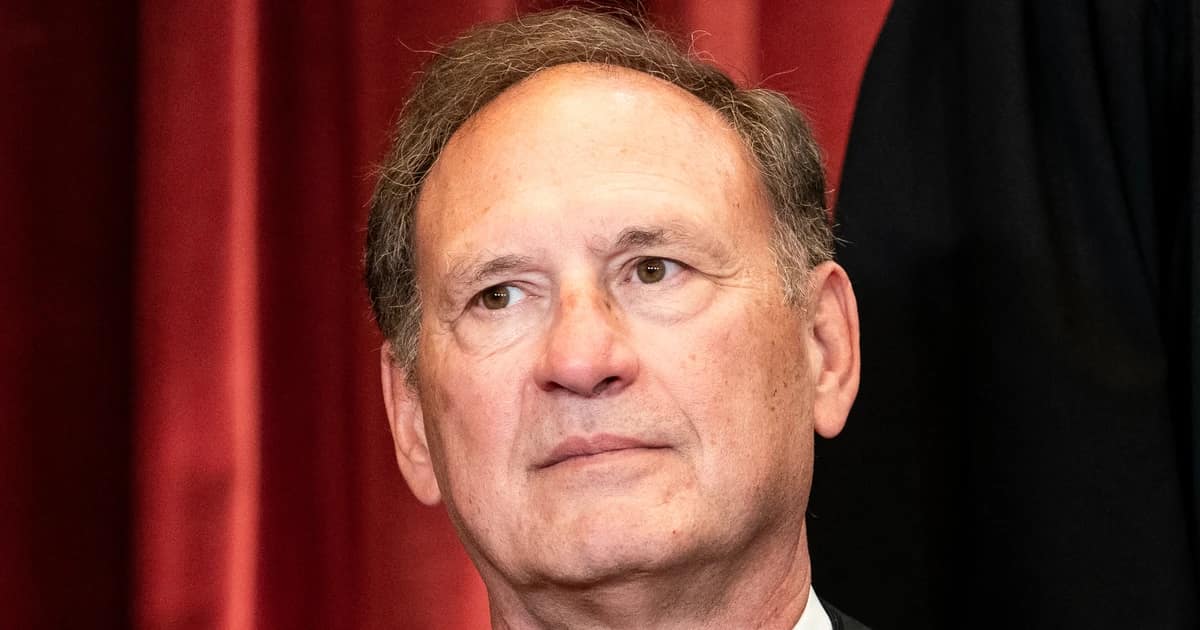
Supreme Court Justice Samuel Alito, long known for his conservative legal philosophy and a more reserved public persona, is increasingly taking center stage. His profile has been amplified by the release of two new biographies and his own forthcoming book, "So Ordered: An Originalist's View of the Constitution, the Court and Our Country," set to publish in October.
Alito, who turned 76 this month and has served on the court for 20 years, is recognized as a leading figure of its conservative majority. He authored the pivotal 2022 opinion in Dobbs v. Jackson Women's Health Organization, which overturned Roe v. Wade, a decision that significantly heightened his public visibility and led to increased scrutiny.
In a rare interview with CBS News, Alito revealed that he had contemplated retirement but ultimately decided to remain on the bench, citing his desire to continue making contributions. He also noted a shift in his public communication style, becoming more vocal in defending his judicial record and opinions, a change observed by long-time associates.
Authors Mollie Hemingway and Peter Canellos, in their respective new books, explore Alito's journey and his role in shaping the conservative legal movement. Hemingway's "Alito: The Justice Who Reshaped the Supreme Court and Restored the Constitution" portrays him as a heroic figure pushing back against liberal judicial trends, while Canellos' "Revenge for the Sixties: Sam Alito and the Triumph of the Conservative Legal Movement" traces his path and his influence on the court's current direction.