Key facts
- Six LNG tankers are en route to Qatar, potentially signaling a restart of loadings.
Six liquefied natural gas carriers are heading toward Qatar, suggesting QatarEnergy may be preparing to resume loadings after a period of curtailed output. The vessels are navigating toward the Qatari coast amid ongoing tensions and tanker attacks in the Strait of Hormuz.
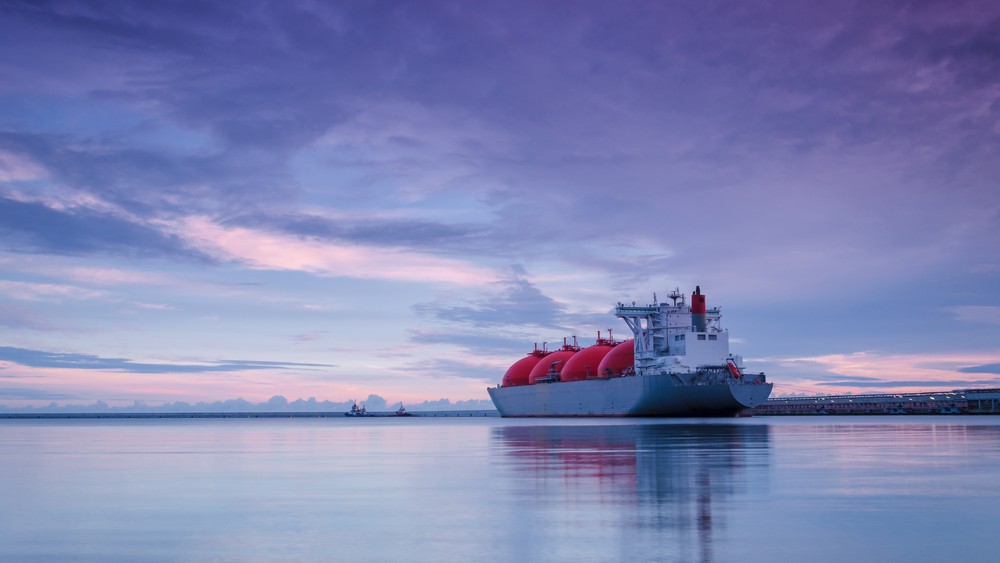
The potential restart of Qatar's LNG exports is significant for global energy markets, particularly in Europe, which relies on LNG imports. Resumed loadings could help stabilize gas prices, but ongoing tensions in the Strait of Hormuz pose a risk to supply security.
Six liquefied natural gas (LNG) carriers are heading toward Qatar, suggesting that QatarEnergy may be preparing to resume export loadings. Ship-tracking data indicates these tankers are in or approaching the Gulf of Oman, with at least one vessel heading for the Qatari coast after transiting the Strait of Hormuz.
QatarEnergy had previously managed to send an LNG cargo through the Strait of Hormuz in late July, three weeks after one of its carriers was struck in the waterway. However, this did not mark a full resumption of LNG exports.
The company declared force majeure following Iranian strikes on its Ras Laffan complex in the early stages of the conflict between Iran and the United States and Israel. QatarEnergy had curtailed LNG output in March before its facility was hit by missiles in mid-March. In June, the company informed customers that it could restore approximately 50% of its production capacity within a month once safe navigation through the Strait of Hormuz was re-established, with the potential to return 80% of capacity within two months.
However, two months later, traffic in the Strait of Hormuz has not been restored, and attacks on tankers have continued as Iran and the United States engage in retaliatory strikes. Qatar has continued loading LNG carriers, but these vessels have either idled in the waterway or been rerouted to Kuwait, according to earlier reports.
Pick the topics you care about. Get only what matters, on your cadence.