Key facts
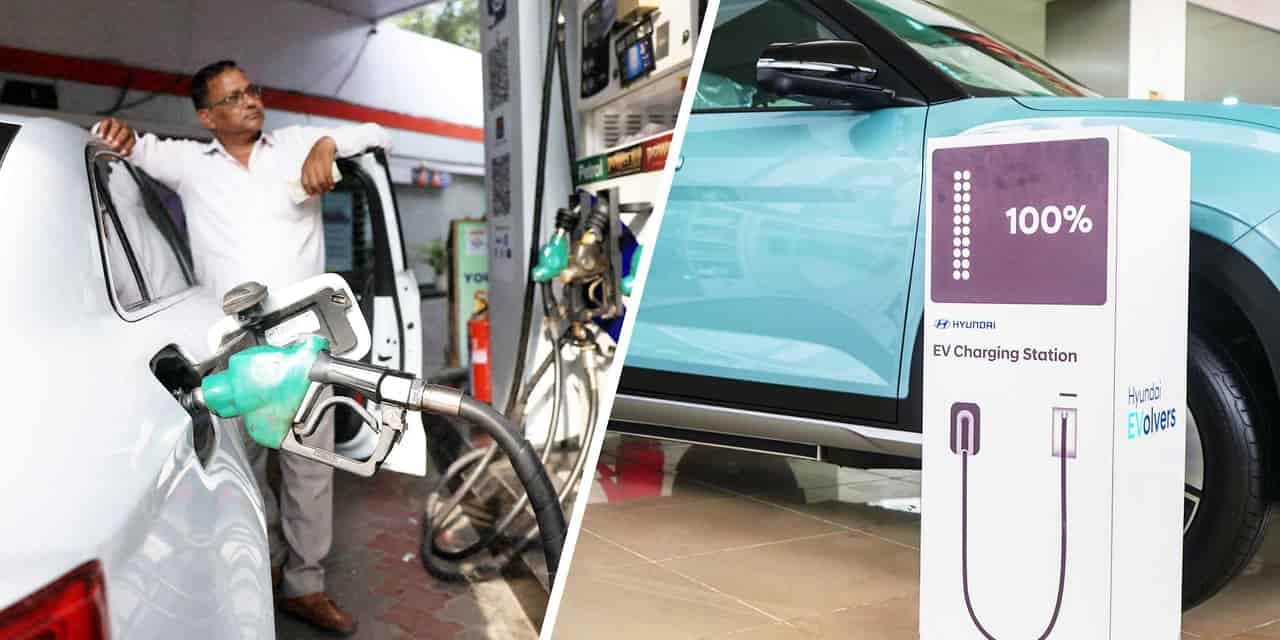
- Alternative fuel passenger cars, including hybrids, outsold gasoline variants in India for the first time in August.
- The shift coincides with a public backlash against the mandatory E20 ethanol-blended petrol policy.
- Consumers report reduced fuel efficiency and potential vehicle damage from the E20 fuel.
- The Attorney General's description of the E20 policy as an "experiment" has intensified controversy.
- The government asserts E20 reduces crude oil imports, saves foreign exchange, and supports farm incomes.
Combined sales of alternative fuel passenger cars in India surpassed gasoline variants for the first time in August, a trend driven by hybrid vehicles. This development occurs amidst a growing public and political backlash against the government's mandatory E20 ethanol-blended petrol policy.
Motorists have voiced significant concerns over reduced fuel efficiency and potential vehicle performance issues, including increased wear and tear, attributed to the E20 fuel. The controversy was amplified when India's Attorney General reportedly described the E20 policy as an "experiment" in a court hearing, a remark the government later sought to clarify. Despite government assurances that E20 offers environmental and economic benefits, including reduced crude oil imports and support for farm incomes, public anger is mounting.
Opposition politicians have called on automakers like Maruti Suzuki and Toyota to provide clarity on whether their older vehicle models are compatible with E20 fuel, as many were designed for E10. Reports indicate that some newer vehicles also carry warnings or recommendations for lower ethanol blends. The government has defended the policy, with the Petroleum Minister comparing ethanol fuel to its use in racing cars and acknowledging a potential minor drop in mileage.
Plans for protests against the E20 policy have been announced, and social media platforms are filled with complaints from motorists detailing alleged damage to their vehicles and increased running costs. The rapid nationwide rollout of E20, which replaced E10 at all petrol pumps by the end of last year, has drawn criticism for lacking sufficient consultation and consumer choice, contrasting with the more gradual implementation seen in countries like Brazil.