Key facts
- India's cumulative rooftop solar capacity reached 25.7 GW by March 2026.
- Residential systems drove 82% of growth in Q1 2026, a 125% increase year-over-year.
- The PM Surya Ghar Muft Bijli Yojana scheme aims to install solar on 10 million homes.
- Gujarat and Maharashtra dominate installed capacity, while eastern states lag significantly.
- India has committed to achieving 60% non-fossil installed power capacity by 2035.
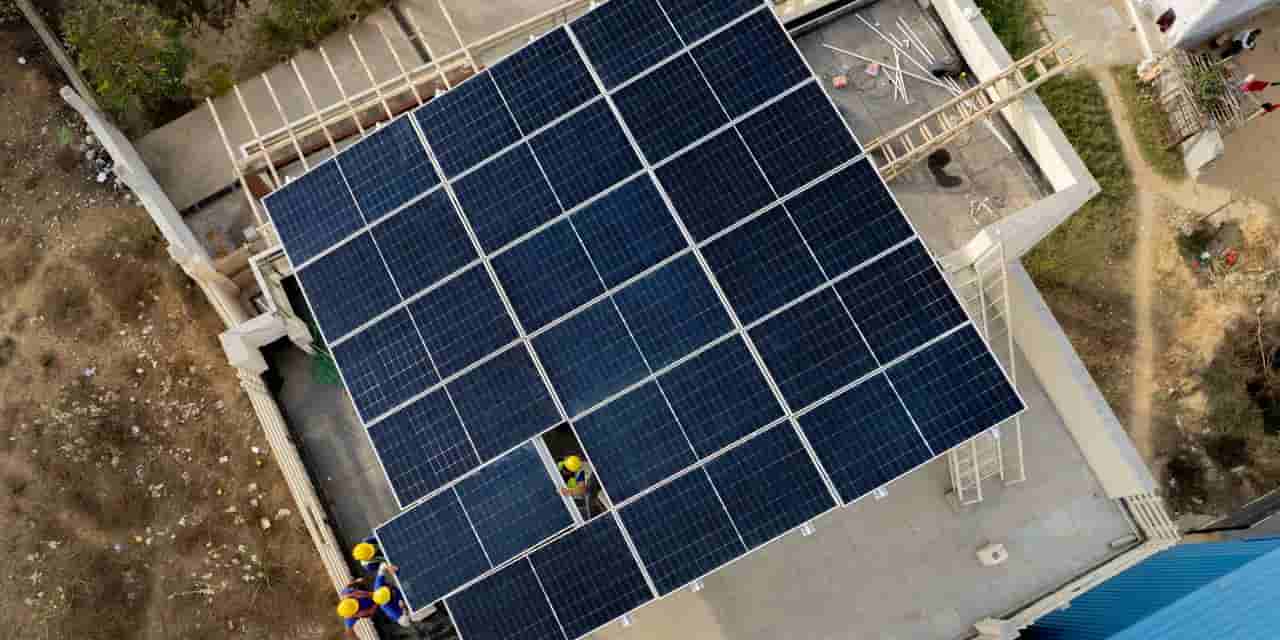
India's ambitious energy goals are being tested by an uneven rollout of rooftop solar power, despite a significant surge in installations. While the nation's cumulative rooftop capacity reached 25.7 GW by March 2026, with a 125% year-over-year increase in the first quarter driven by the PM Surya Ghar Muft Bijli Yojana scheme, the growth is heavily concentrated in a few states.
Gujarat and Maharashtra lead the country, boasting thousands of megawatts of installed capacity, supported by well-developed solar ecosystems including installers, financiers, and supportive distribution utilities. These states have benefited from years of groundwork in building these networks. In contrast, many eastern states, despite ample solar radiation, lag far behind due to a lack of similar foundational ecosystems, financially stressed distribution companies, and limited consumer access to credit and awareness of subsidies.
The PM Surya Ghar Muft Bijli Yojana, launched in February 2024, aims to install rooftop solar on 10 million homes, offering subsidies up to Rs 78,000. This scheme has significantly boosted monthly installations from 7,000 to over 300,000, with more than 4 million households already benefiting. However, the uneven distribution means that the top ten states account for nearly 86% of the national total, while regions like the northeastern states have minimal capacity.
Rooftop solar plays a crucial role in India's clean energy transition, complementing utility-scale projects by avoiding land acquisition and reducing transmission losses. The country has committed to achieving 60% non-fossil installed power capacity by 2035. Analysts note that while policy and economic conditions are increasingly favorable, with rising electricity tariffs making self-generation attractive, the challenge lies in replicating the success of leading states across the entire country to meet these national targets.