Key facts
- Solar energy installations are growing rapidly worldwide, with emerging markets showing significant leadership.
Solar energy is experiencing unprecedented growth globally, with emerging markets like Pakistan and Romania leading the charge. These nations are successfully integrating solar power with battery storage, outpacing many developed countries in their clean energy transitions due to economic and energy security benefits.
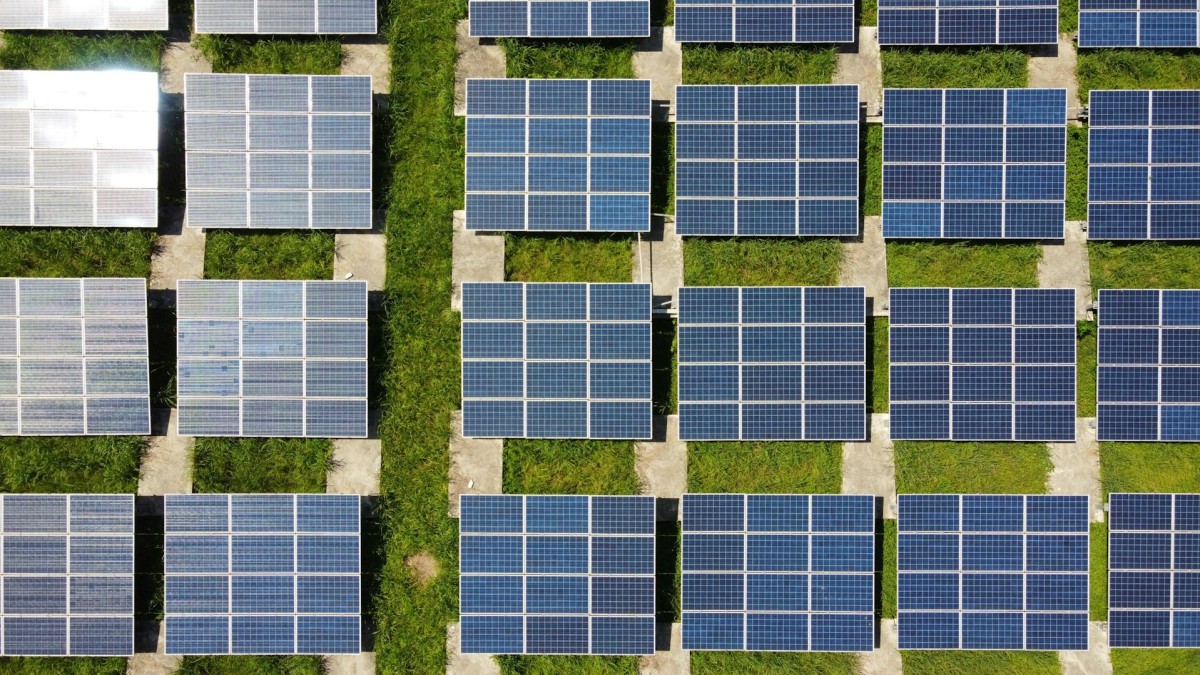
The rapid growth of solar power in emerging markets, driven by economic and energy security factors, signifies a significant shift in global energy dynamics, potentially reshaping geopolitical leverage and accelerating the worldwide transition away from fossil fuels.
Solar energy adoption is accelerating globally, with emerging markets emerging as unexpected leaders in the clean energy transition. Driven by falling costs of Chinese-manufactured solar panels and the critical need for energy security and economic benefits, countries like Pakistan and Romania are installing solar capacity at unprecedented rates.
While Europe, often seen as a champion of renewables, is experiencing a slowdown in solar additions due to grid congestion and a lack of energy storage, Romania is highlighted for its strategic integration of battery storage alongside solar build-out. This approach has led to a significant increase in installations, positioning Romania as a model for balancing generation capacity with storage needs.
Globally, nations such as Brazil, Chile, El Salvador, Morocco, Kenya, and Namibia have surpassed the United States in their clean energy transitions. Pakistan, in particular, is noted for its rapid adoption of rooftop solar and battery systems, driven by the need for more reliable and cheaper electricity than its struggling infrastructure can provide.
The surge in solar power is no longer solely a climate policy initiative; it is a fundamental economic and security imperative. Solar is now the cheapest energy source available, offering a clear path to energy autonomy and resilience, especially for smaller economies seeking to mitigate risks in a volatile geopolitical climate.
Pick the topics you care about. Get only what matters, on your cadence.