Key facts
- Guatemala has launched a nationwide ethanol-gasoline blending program, mandating an E10 blend.
- This makes Guatemala the first country in Central America to implement such a mandate.
- The program officially began on July 1, 2026, with full availability expected by August 21, 2026.
- The initiative is projected to create an annual export market for U.S. ethanol valued at around $160 million.
- The program follows the enactment of Guatemala's Fuel Alcohol Law in 1985, overcoming decades of delays.
Guatemala has officially launched its nationwide ethanol-gasoline blending program, becoming the first country in Central America to mandate an E10 blend. This significant development follows over four decades of preparation since the enactment of its Fuel Alcohol Law in 1985, overcoming various political, economic, and technical hurdles.
The program, which commenced on July 1, 2026, includes an operational conditioning period through August 21, 2026, after which E10 will be available at service stations nationwide. Initial shipments of U.S. ethanol have already arrived to support the launch.
This initiative is expected to create a substantial annual export market for U.S. ethanol, estimated at 70 to 100 million gallons, valued at approximately $160 million. The demand is driven by Guatemala's annual gasoline consumption of about 1 billion gallons. The E10 program is also a key component of the U.S.–Guatemala Agreement on Reciprocal Trade (ART), which specifies annual purchases of at least 50 million gallons of U.S. ethanol.
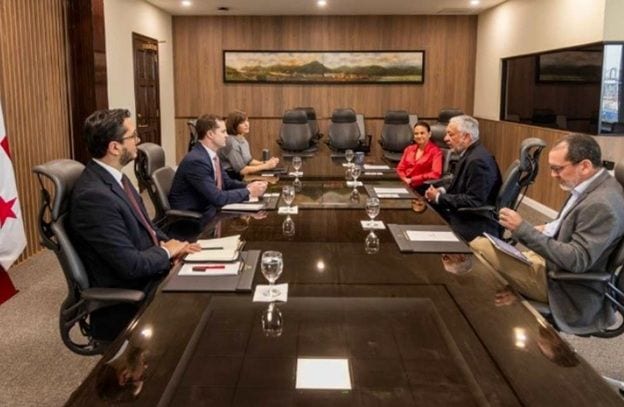
The Council played a crucial role in shaping the regulatory framework by providing technical studies on the benefits of ethanol blending and offering guidance on fuel specifications. Trade missions and training programs were also delivered to build technical capacity among Guatemalan officials. A regional seminar in March 2026, attended by Guatemalan President Bernardo Arévalo, generated political momentum for the implementation phase.
Guatemala's E10 program is anticipated to serve as a model for other countries in Central America and the Caribbean, with several nations reportedly considering similar initiatives. The Council invested approximately $200,000 over three years to support Guatemala's transition, projecting an estimated return on investment of $800 in export sales for every $1 invested.