All NewsEducationTVBrokers
Equities & FundsCrypto & Digital AssetsAI & TechnologyBusiness & CorporateUS Politics & PolicyGeopolitics & Global RiskMacro, Rates & FXCommodities & EnergyEuropean Politics & MarketsAsia-PacificReal Estate & Property
All NewsHome
← Back to Commodities & Energy

Qatar, UAE Use LNG Ship Transfers Amid Hormuz Crisis

Created at 2 Sep · 11:16 AM1 source↑ Market-relevant
IN SHORT

Qatar and the UAE have resorted to unusual ship-to-ship (STS) transfers for LNG cargoes outside the Strait of Hormuz due to ongoing tensions. Three LNG carriers transferred their loads in August, a method more common for oil, as disruptions continue to impact regional LNG shipments and drive up spot prices.

Key Numbers

threeLNG carriers involved in ship-to-ship transfers
five-monthhigh for Asia's spot LNG prices
three-and-a-half-yearhigh for Europe's benchmark natural gas prices

Who's Involved

Qatar
Persian Gulf producer using LNG ship transfers
United Arab Emirates
Persian Gulf producer using LNG ship transfers
GasLog Shanghai
Greek-owned LNG carrier involved in an incident and STS transfer
GasLog Savannah
LNG carrier that received a transferred cargo
Al Rekayyat
Qatar-owned LNG carrier hit by a projectile and conducted STS transfer
Tembek
Qatar-owned tanker that received a transferred LNG cargo
ADNOC
Abu Dhabi National Oil Company, involved via its Mraweh LNG carrier
Mraweh
ADNOC LNG carrier that conducted an STS transfer
LNG Enugu
LNG carrier that received a transferred cargo
Vortexa
Data provider for vessel-tracking
Kpler
Data provider for vessel-tracking
Qatar, UAE Use LNG Ship Transfers Amid Hormuz Crisis

↳ Why This Matters

The use of ship-to-ship transfers for LNG highlights the significant impact of geopolitical tensions in the Strait of Hormuz on global energy supply chains, leading to higher prices for consumers in Asia and Europe.

Key facts

  • Three LNG carriers from Qatar and the UAE transferred their cargoes to other vessels outside the Strait of Hormuz in August.
  • This ship-to-ship transfer method is unusual for LNG but is being used to circumvent disruptions.
  • The Strait of Hormuz remains a bottleneck for LNG traffic, impacting regional supply.
  • Incidents involving LNG carriers like GasLog Shanghai and Al Rekayyat have occurred near the Strait.
  • The disruptions have led to a significant increase in spot LNG prices in Asia and Europe.

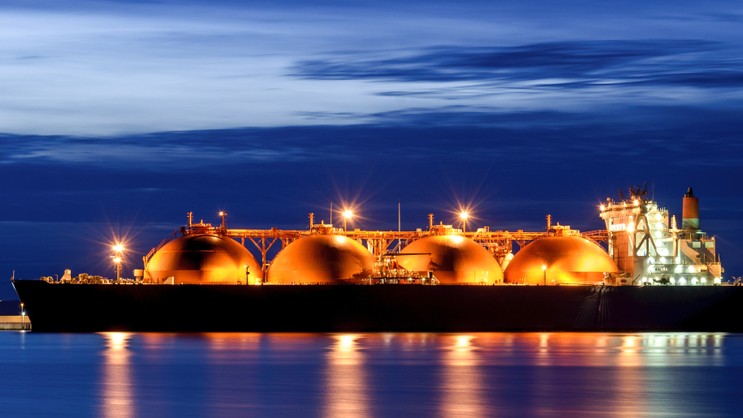
Qatar and the United Arab Emirates have resorted to ship-to-ship (STS) transfers for Liquefied Natural Gas (LNG) cargoes as a measure to circumvent disruptions in the Strait of Hormuz. In August, three LNG carriers loaded from the Persian Gulf region transferred their cargoes onto other vessels offshore Oman, a practice that is highly unusual for LNG but has been employed for crude oil shipments amid escalating tensions.

The Strait of Hormuz, a critical chokepoint for global energy flows, continues to experience a standstill in LNG traffic, despite an estimated rebound in oil flows. Unlike crude oil, the shuttle-shipping of LNG through the strait and subsequent reloading via STS is significantly more complex.

Among the vessels involved were the Greek-owned GasLog Shanghai, which experienced an "incident" in late July and transferred its cargo onto the GasLog Savannah in late August. Qatar-owned Al Rekayyat, previously hit by a projectile in early July, conducted an STS transfer with the Qatar-owned tanker Tembek in mid-August, with the cargo eventually delivered to India. Additionally, ADNOC's Mraweh LNG carrier transferred its cargo to LNG Enugu offshore Oman in mid-August, en route to Japan.

These disruptions, combined with Qatar's extended force majeure on deliveries and the re-escalation of U.S.-Iran tensions, have driven Asia's spot LNG prices to a five-month high and Europe's benchmark natural gas prices to a three-and-a-half-year high this week.

Frequently asked questions

Transferring LNG via ship-to-ship is more complex and less common than for crude oil due to the specialized equipment and safety protocols required for handling super-chilled gas.

A force majeure is a clause in contracts that frees both parties from liability or obligation when an extraordinary event or circumstance beyond their control prevents one or both parties from fulfilling their obligations.

Asia's spot LNG prices have reached a five-month high, and Europe's benchmark natural gas prices have hit a three-and-a-half-year high.

What Happens Next

01Continued monitoring of LNG traffic through the Strait of Hormuz.
02Assessment of the impact of these transfers on regional and global LNG supply.
03Observation of further U.S.-Iran developments and their effect on energy markets.
CME Headlines
  • WTI Crude Oil futures jump to $90.60 on Middle East tension.
    1 Sep · 9:22 PM
  • WTI Crude Oil futures jump to $90.60 on Middle East tension.
    1 Sep · 9:22 PM
  • Gold futures face continued pressure as mixed economic data lifts Treasury yields.
    1 Sep · 8:50 PM

How It Developed

Three LNG carriers loaded from Qatar and UAE transferred cargoes onto other vessels outside the Strait of Hormuz in August.
The ship-to-ship transfers are an unusual but potentially effective method for maintaining LNG shipments from the region.
LNG traffic at the Strait of Hormuz remains at a standstill, impacting regional shipments.
GasLog Shanghai, involved in an incident in late July, transferred its cargo offshore Oman.
Qatar-owned Al Rekayyat, hit by a projectile in early July, conducted an STS transfer in mid-August.
ADNOC's Mraweh LNG carrier also performed an STS transfer offshore Oman in mid-August.
Asia's spot LNG prices reached a five-month high, and Europe's benchmark natural gas prices hit a three-and-a-half-year high this week due to the disruptions and U.S.-Iran tensions.

Sources

T1
Qatar and UAE Turn to Rare LNG Ship Transfers as Hormuz Crisis Drags OnOilPrice.com

Related Stories

Pakistan Rejects High LNG Price, Risks Deeper Blackouts
2 Sep · 8:56 AM
US Energy Secretary claims record oil transit via Hormuz Strait, data disputes claim
2 Sep · 2:35 AM
Oil Prices Surge Past $90 on Renewed US-Iran Strikes
1 Sep · 6:07 PM
Diesel Cracks Hit Record Highs Amid Middle East Tensions and Russian Export Ban
2 Sep · 10:16 AM
Bessent: Strait of Hormuz to be 'worthless' in two years due to pipelines
1 Sep · 8:07 PM