Key facts
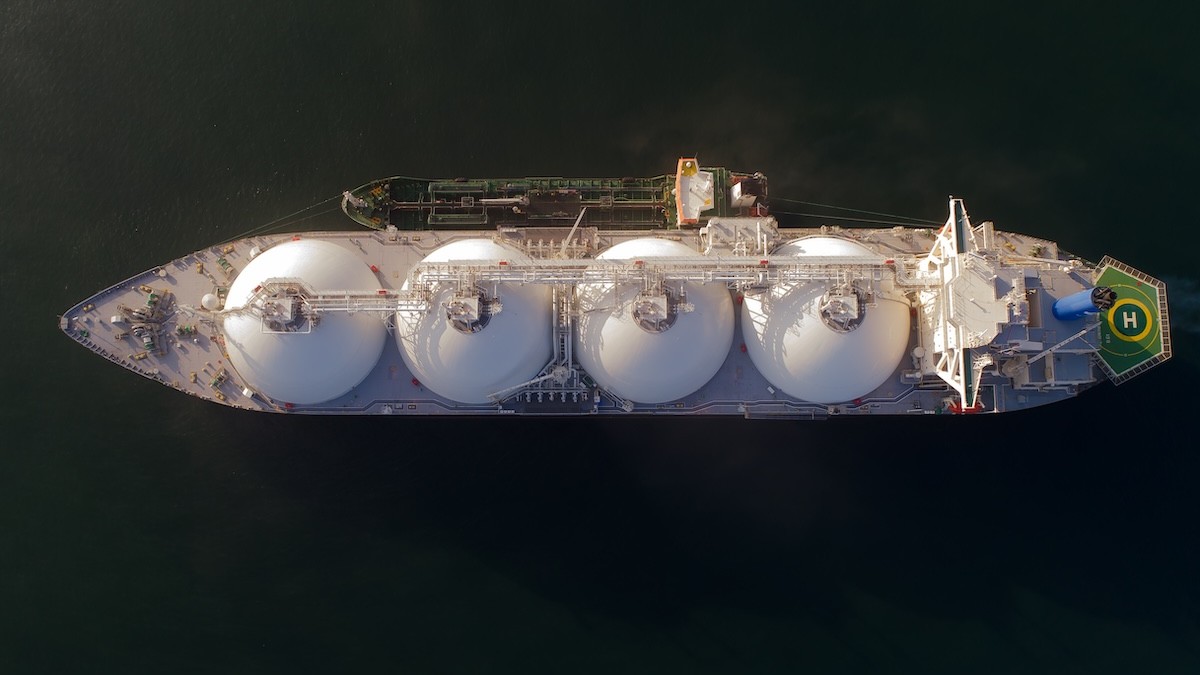
- Eight LNG carriers have arrived at Qatar's Ras Laffan hub to load liquefied natural gas.
- Qatar's prime minister stated that production would return to normal within weeks, excluding damaged facilities.
- The country declared force majeure on LNG exports due to damage sustained during recent geopolitical conflicts.
- A recent explosion at the Ras Laffan complex resulted in 13 fatalities and 66 injuries.
- QatarEnergy is targeting an October restoration of normal operations at the complex.
Qatar is rapidly increasing its liquefied natural gas (LNG) export capacity following recent geopolitical events and damage to its facilities. As many as eight LNG carriers have arrived at the Ras Laffan hub, signaling an imminent resumption of exports. Prime Minister Sheikh Mohammed bin Abdulrahman al-Thani expressed confidence that production would return to normal within weeks, with the exception of damaged sections.
Qatar was compelled to declare force majeure on its LNG exports after retaliatory strikes between the U.S. and Iran led to damage at its gas processing facilities. Initial estimates suggested repairs could take between two and five years. This situation was further complicated by a recent deadly explosion at the Ras Laffan complex that killed 13 people and injured 66. Despite these setbacks, QatarEnergy is reportedly targeting an October restoration of normal operations.
The undamaged portions of the Ras Laffan facility are expected to come back online quickly, even though force majeure has not been officially lifted. Experts suggest that if the Strait of Hormuz remains open, global gas markets could begin to stabilize in the third quarter and rebalance by the fourth quarter.