Key facts
- Oil prices declined amid progress in U.S.-Iran peace talks and expectations of increased supply.
- Saudi Aramco is preparing to resume crude loadings at its Ras Tanura export terminal, its largest oil export facility.
- Multiple Bahri-owned supertankers were observed moving toward the Ju'aymah offshore loading area.
- Iraq and Kuwait are increasing exports, and Iran has resumed marketing crude in Asia.
- Analysts warn of a potential 'energy cliff' due to depleting global oil inventories.
Oil prices softened as Saudi Arabia prepared to resume crude loadings at its Ras Tanura export terminal, its largest oil export facility, signaling a recovery in Gulf supply. This development follows earlier price declines driven by expectations of increased Iranian oil supply amid progress in U.S.-Iran peace talks.
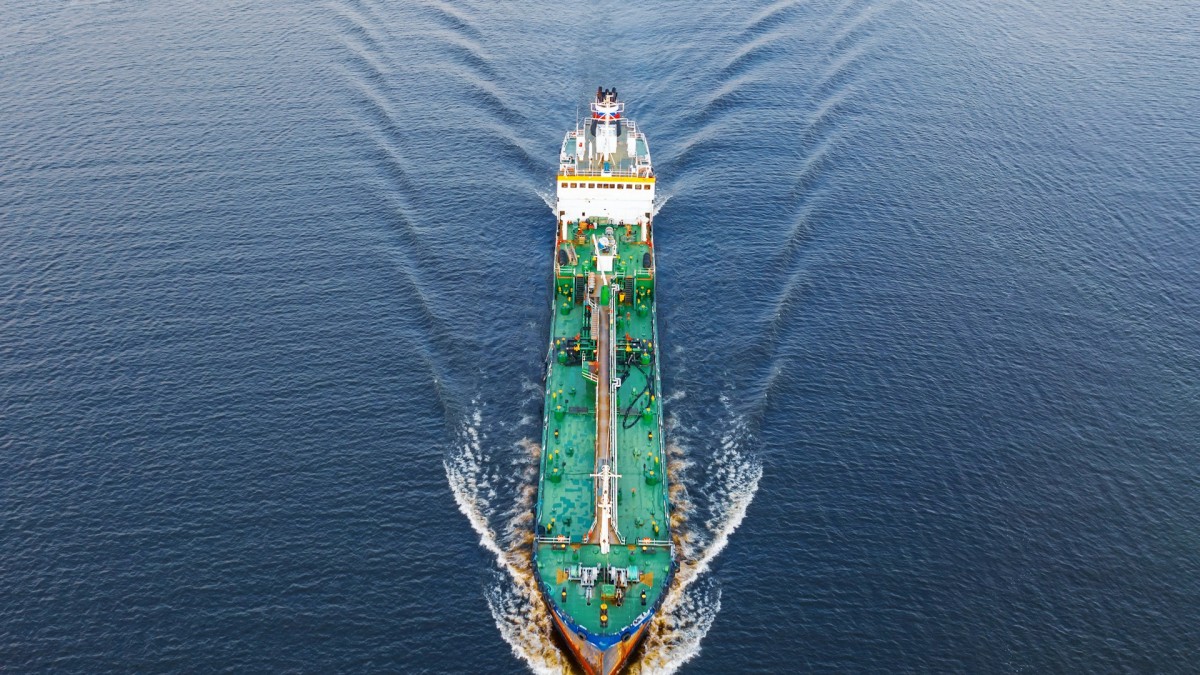
Multiple supertankers owned by Bahri were observed moving toward the Ju'aymah offshore loading area, indicating Riyadh's belief that conditions have stabilized enough to restore exports from its primary Persian Gulf outlet. This comes as Iraq and Kuwait are increasing exports, and Iran has resumed marketing crude across Asia.
Despite the apparent easing of supply disruptions, analysts caution that depleting global oil inventories and potential Iranian control over the Strait of Hormuz could still lead to an 'energy cliff.' The Strait, which affects about 20 percent of the world's daily oil needs, may see traffic managed at rates far below pre-war levels, even if reopened.
Reports of a U.S.-Iran Memorandum of Understanding (MOU) include a 60-day negotiation period, during which global inventories are expected to reach critically low levels, potentially leading to a bidding war for available oil.