Key facts
- The Oura Ring 5 is approximately 40% smaller and lighter than its predecessor.
- The new design aims for greater comfort and discretion, resembling a typical ring.
- Despite fewer sensors, the Ring 5 maintains accurate health tracking data.
- The ring's titanium construction is more scratch-resistant.
- Battery life has been extended to up to nine days.
- New software features include Health Radar and AI-powered medical guidance via Counsel AI.
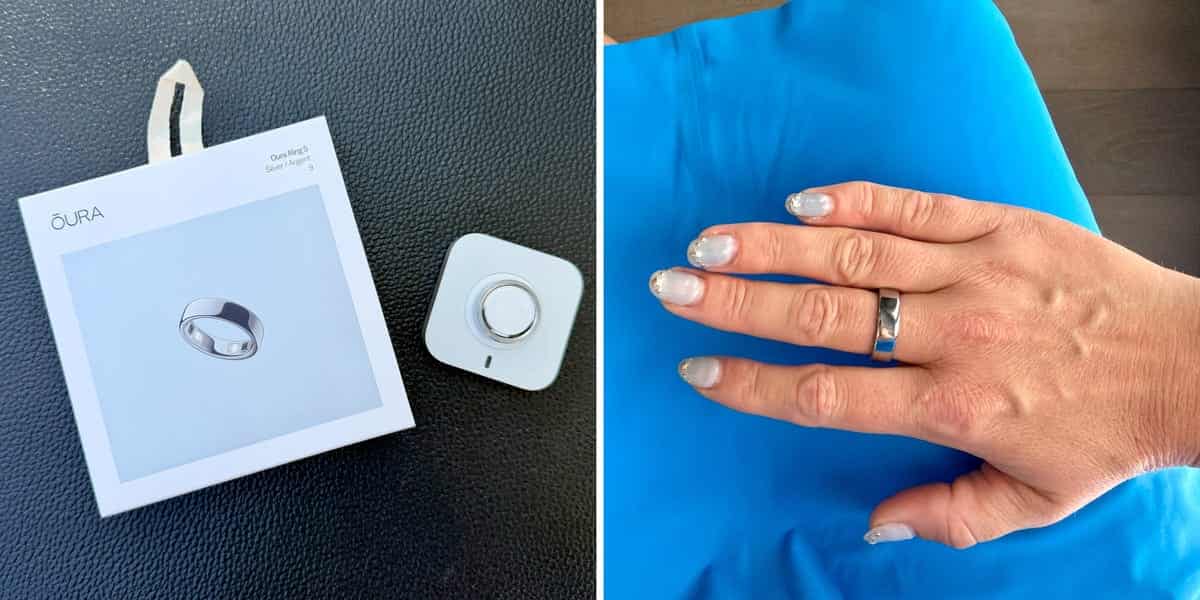
The Oura Ring 5 has been released with a significantly slimmer and lighter design, addressing a previous drawback of the smart ring. The new model is approximately 40% smaller than its predecessor, making it more comfortable and discreet for everyday wear. This redesign includes improvements to the battery, sensors, and internal architecture, while maintaining the device's core functionality of monitoring sleep, recovery, and activity.
The Oura Ring 5 features 12 signal pathways, a reduction from the 18 in the Ring 4, but utilizes new low-profile sensor domes for potentially improved accuracy and skin contact. Testing indicated that data consistency remained reliable, comparable to the previous generation. The titanium construction is also noted as being more scratch-resistant.
Battery life has been extended to up to nine days. Alongside the hardware update, Oura has introduced new software features across all generations, such as Health Radar for biometric trend spotting, blood pressure alerts, nighttime breathing trends, and AI-powered medical guidance through Counsel AI.