Key facts
- WTI crude futures traded at $96.35 early Friday, up 0.51% for the week.
- Saudi Arabia's East-West pipeline, damaged by drone strikes, normally carries 4 million to 5 million barrels per day.
- Saudi Arabia began offering more crude to Asian refiners via Sohar transfers.
- Repair estimates for the East-West pipeline range from days to five or six weeks.
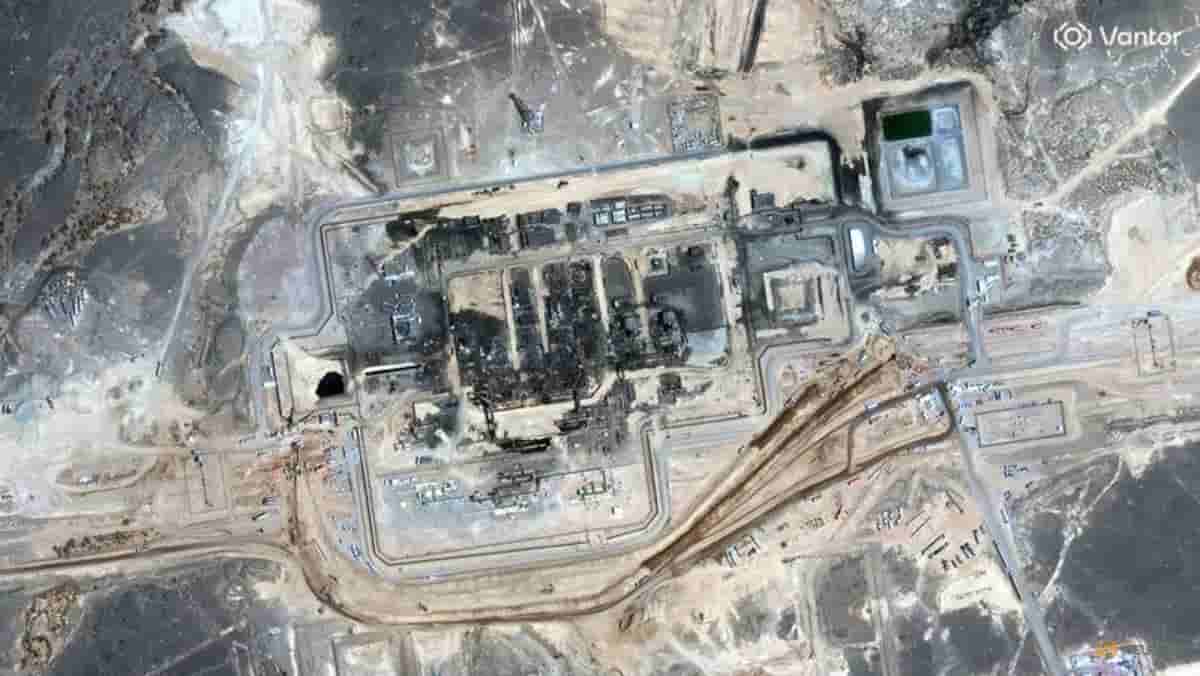
November WTI crude oil futures were trading at $96.35 early Friday, up 0.51% for the week, having traded as high as $101.69 and as low as $94.64. Brent crude was on track for a weekly gain, trading at $105.65 per barrel, up from around $102 per barrel on Monday, while WTI was ending the week with a dip at $93.11 per barrel, down from around $98 at the beginning of the week. The market has been caught between damaged Saudi infrastructure and an export workaround that only moves part of the lost volume. Saudi Arabia’s East-West pipeline outage drove WTI through $100, but the kingdom’s Sohar transfers to Asian refiners pulled the contract back, though the supply problem remains. A drone attack damaged three pumping stations along the East-West pipeline, Saudi Arabia’s main route for moving crude to Yanbu and around the Strait of Hormuz. The line normally carries roughly 4 million to 5 million barrels per day. With it down, Saudi exports became more dependent on a waterway where traffic has already been severely disrupted. WTI reached $101.69 because the market was trading the loss of Saudi Arabia’s main Hormuz bypass, not a demand surprise. Repair estimates range from a partial restart within days to five or six weeks of work, creating the week’s price range. Houthi attacks on Saudi targets and the group’s hold near Perim Island at the entrance to the Red Sea added to the concern, as the Middle East has fewer safe routes for crude and products than it did a month ago. Saudi Arabia says it intercepted six ballistic missiles fired by Yemen’s Iran-backed Houthis, with the latest attacks pushing oil prices to a one-week high over fears of spiralling supply disruptions. The Saudi-led coalition in Yemen said the missiles were aimed at Taif in western Saudi Arabia and the Yanbu area on the Red Sea, with the Houthis claiming their attacks were aimed at “a sensitive target” in the capital Riyadh and on Saudi Aramco facilities in Tanbu. Oil prices climbed about 3%, but trade was volatile and prices came off session highs after reports the US and Iran discussed reopening the strait of Hormuz. The escalating attacks threaten Saudi Arabia’s ability to export oil through the Red Sea at a time when the strait of Hormuz is disrupted and the kingdom’s east-west pipeline is only now resuming operations after drone strikes earlier this month. Yemen’s internationally recognised government pressed world leaders on Thursday for help defeating the militants, saying that their new perch along one of the world’s busiest waterways presents an international economic risk. While claiming that their blockade only applies to Saudi shipping and there remains no threat to commercial shipping on the Red Sea, the Houthis have also warned other nations not to get involved. Abdullah Abdulkader al Alimi-Bawzer, vice-president of the internationally recognised government council, urged world leaders at the UN general assembly not to trust the Houthis’ assurances. He argued that protecting the strait “is the responsibility of every economy that depends on secure supply chains, energy security and freedom of navigation,” and urged the international community to keep weapons and technology from getting into the rebels’ hands. Riyadh’s foreign ministry said on Friday that Saudi Arabia, Turkey and Pakistan would hold an urgent meeting of their chiefs of staff to discuss ways to support repel the Houthi attacks under their joint defence agreement.