Key facts
- Houthi rebels control the Bab al-Mandab Strait, a key chokepoint for global trade.
- The Bab al-Mandab Strait accounts for approximately 6% of the world's seaborne-traded oil.
- Saudi Arabia temporarily shut down its East-West oil pipeline following a drone attack.
- Oil prices rose to $110 on September 15, the highest in months, before falling slightly.
- Goldman Sachs warned that oil prices could reach $120 a barrel if conflicts continue.
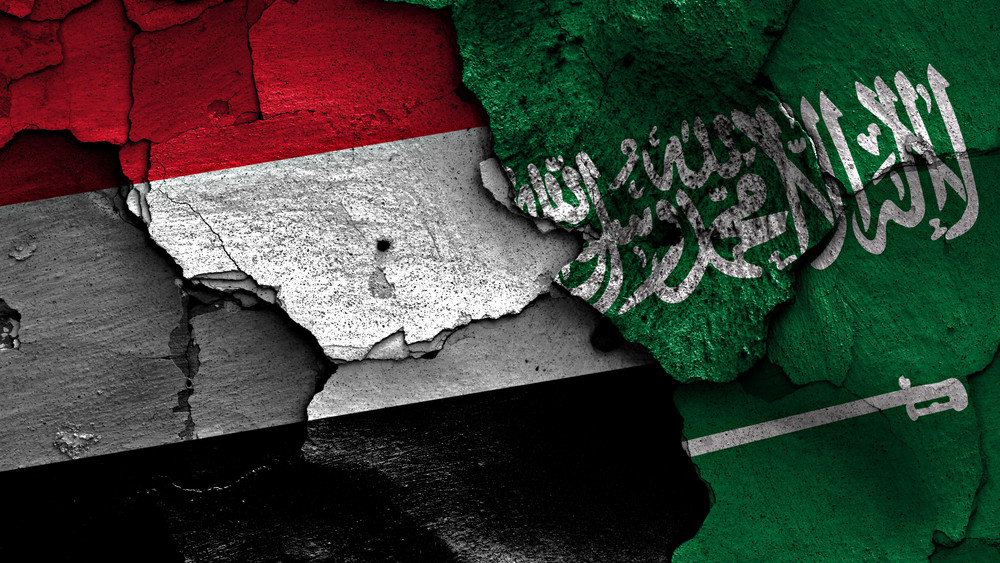
The ongoing conflict in Yemen has escalated, posing new risks to global oil markets. Houthi rebels have seized control of Yemen’s Red Sea coastline, including the crucial Bab al-Mandab Strait, a vital chokepoint for international trade. This escalation, coupled with intensified Houthi attacks on Saudi energy infrastructure, has contributed to a recent surge in oil prices, with Brent crude reaching $110 per barrel on September 15.
Saudi Arabia was compelled to temporarily shut down its East-West pipeline, a critical alternative export route, following a drone attack attributed to a pro-Iranian militia. Experts warn that a prolonged closure of this pipeline or a blockade of the Bab al-Mandab Strait, which handles approximately 6% of global seaborne oil trade, could have severe repercussions for the world economy.
These developments occur against a backdrop of existing market volatility, partly influenced by the US-Iran conflict which has effectively disrupted shipping through the Strait of Hormuz. Gregory Brew, a senior analyst at Eurasia Group, noted the dual pressure on international oil markets from both the Saudi-Houthi and US-Iran conflicts. Goldman Sachs has cautioned that oil prices could climb to $120 a barrel if these conflicts persist.
In Yemen, the Houthis launched a significant offensive, capturing the port city of Mokha and Red Sea islands. While Saudi Arabia, supporting the Yemeni government, has conducted air strikes, the Houthis have targeted the kingdom with drones and missiles. Despite Saudi pleas for military aid, President Donald Trump has reportedly declined to provide further support. The Houthis have reportedly assured Washington they will not block the Bab al-Mandab Strait or attack international shipping, except for Saudi vessels.
Thomas Juneau, a Middle East expert, highlighted the strategic rationale for both sides. For the US, avoiding further entanglement in Yemen is a priority ahead of midterm elections. For the Houthis, past US military action has imposed costs. The situation presents a significant setback for Saudi Arabia, which intervened in Yemen in 2015. The damage to the East-West pipeline has already constrained Saudi oil export capacity. Commodity intelligence firm Kpler estimates that a month-long pipeline outage could result in a loss of around 120 million barrels of oil.