Key facts
- National won 42 seats, ACT 13 and New Zealand First 12, a combined 67, per preliminary results.
- Labour won 35 seats, the Greens 16 and Te Pati Maori five, per the preliminary count.
- Special votes remain to be counted, with official results not due until November 27.
- National and Labour both fell below 30% of the party vote, Reuters reported.
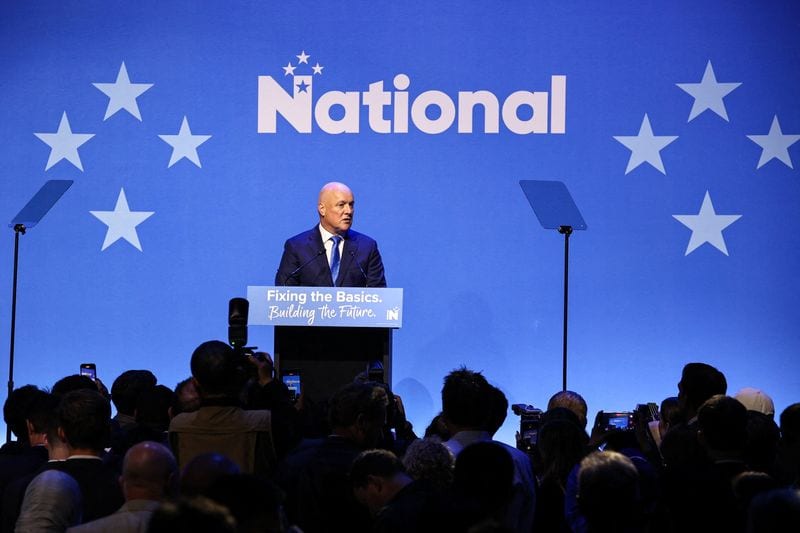
New Zealand's election on November 7 produced no decisive winner, with the incumbent centre-right coalition and the opposition left bloc both short of a confirmed majority and official results not due until November 27. With nearly all ordinary votes counted on the night of November 7, the Guardian reported National on 42 seats, ACT on 13 and New Zealand First on 12, a combined 67 seats that it described as a wafer-thin majority with the left bloc three seats behind.
Labour, led by Chris Hipkins, won 35 seats, the Greens 16 and Te Pati Maori five, the Guardian reported. Even with the seven seats of the centrist newcomer Opportunity, the left bloc was three seats short. National led Labour by 0.02% in the party vote.
Special votes, which include overseas ballots and votes cast outside a voter's electorate, remain to be counted. The Guardian reported that 600,000 such votes were cast in 2023, 21% of the total, and that they tend to favour the left. Luxon said the result was too close to call and that special votes would need to be counted before negotiations could begin, adding that National remained the largest party and had a pathway to forming the next government.
Hipkins told supporters at the Cosmopolitan Club in Upper Hutt that New Zealand had spoken but it might take a bit longer to work out what it had said, and that the shape of the next government would not be known for a little while longer. He said Labour would get straight to work should the final count land in its favour.
Opportunity entered parliament for the first time with 5.9% of the party vote, the Guardian reported, the first new party to clear the threshold since New Zealand adopted the mixed-member proportional system in 1996. Its leader, Qiulae Wong, told supporters in Auckland the result was looking very promising. Overhang seats, awarded where a party wins more electorate seats than its party vote entitles it to, could produce a 130-seat parliament, a record under MMP, requiring 65 seats for a majority, according to the Guardian. Luxon said caretaker government conventions apply in the meantime and that the daily business of government will continue.