Key facts
- Nepal's floods resulted in an estimated $2.56 billion in economic losses.
- Commercial insurance losses are projected to exceed $130 million, with hydropower projects bearing the brunt.
- Authorities are still assessing the full extent of deaths and missing persons.
- The disaster was caused by a glacier collapse near China's Tibet region.
- Insurers may reassess risks in the Himalayan region, potentially leading to higher premiums and stricter underwriting.
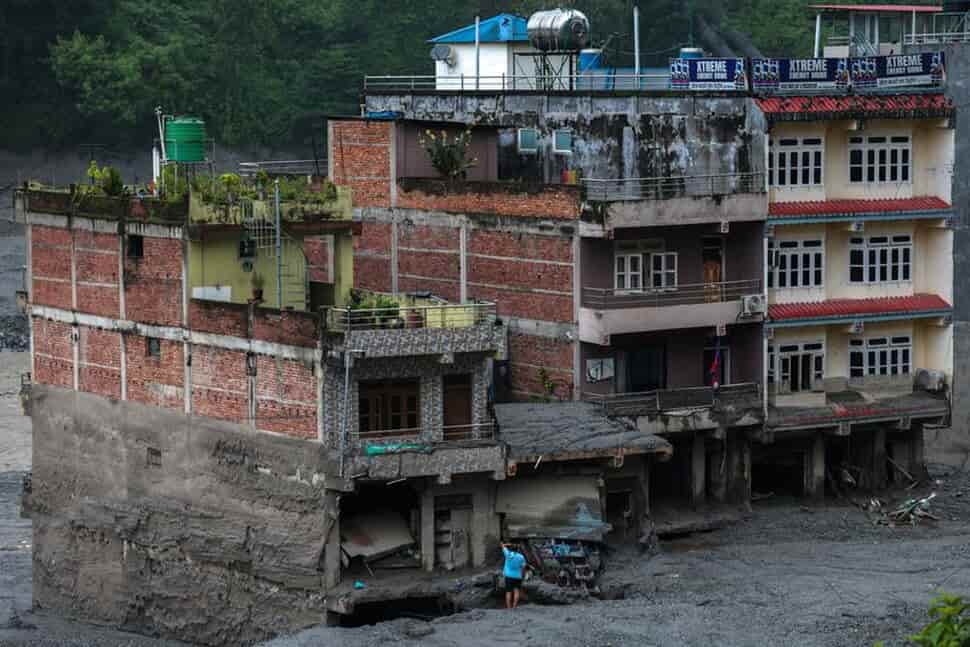
Nepal is facing an estimated $2.56 billion in economic losses due to devastating floods that occurred last week, according to Dharma Raj Upreti, chief of the National Disaster Risk Reduction and Management Authority. The disaster, triggered by a glacier collapse near China's Tibet region, has resulted in over 1,200 deaths and left many more missing.
Commercial insurance losses from the floods could exceed 20 billion Nepali rupees ($132.3 million), with hydropower projects accounting for the majority of claims, according to Toton Chakraborty, CEO of Oriental Insurance Company Nepal. Eleven Nepali hydropower projects are located in the affected region, and assessments are ongoing.
Authorities are still verifying deaths and missing persons in inaccessible areas. Life insurance, personal accident, and workers' compensation claims are expected separately. The Nepal Insurance Authority has received 583 flood-related claims worth 25.87 billion Nepalese rupees as of August 31, though these figures represent insured exposure rather than final claims.
The floods could have lasting implications for the insurance of Himalayan infrastructure, with industry executives suggesting insurers may review risks, impose exclusions, lower sub-limits, and narrow coverage, leading to higher premiums and more selective underwriting. Recent Himalayan catastrophes include a glacial lake outburst flood in India's Sikkim in 2023 and a flash flood in India's Uttrakhand in 2021.