Key facts
- Moldova's leaders are asking parliament to declare a state of emergency for energy and water supply.
- The emergency declaration is linked to dangerously low levels on the Dniester River, shared with Ukraine.
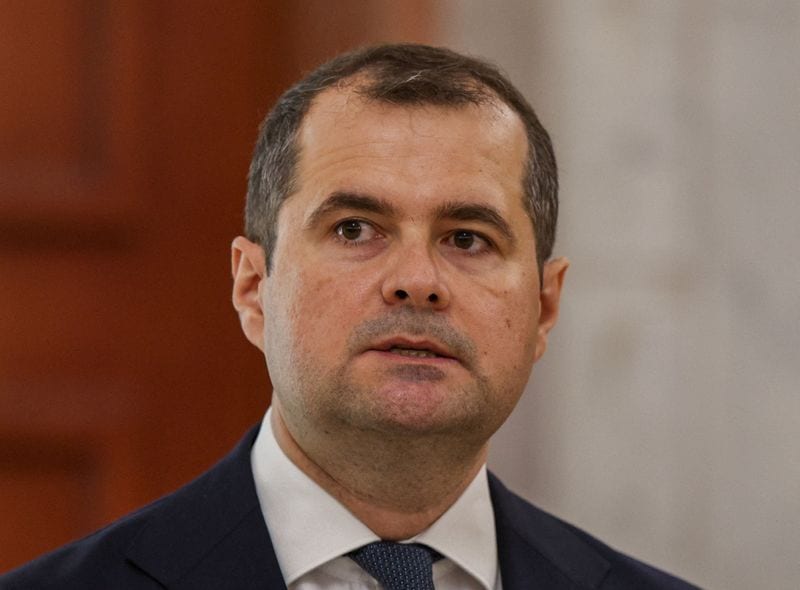
- Prime Minister Vasile Tofan stated the government needs powers to act at the first sign of need.
- President Maia Sandu highlighted the need to be ready for changes and provide solutions regardless of external events.
- Moldova relies heavily on external sources for its gas, oil, and electricity.
Moldova's pro-European leaders announced on Monday that they would seek parliamentary approval to declare a state of emergency concerning energy and water supplies. The decision stems from critically low water levels in the Dniester River, a vital resource shared with Ukraine.
Prime Minister Vasile Tofan stated on social media following a Security Council meeting that the government would present its appeal to parliament on Tuesday. This move aims to grant the administration the necessary powers to manage the escalating difficulties. Tofan emphasized the importance of having the government's hands free to act, especially given Moldova's reliance on external sources for gas, oil, and electricity. He noted that the emergency powers would enable the government to step in promptly where needed to ensure the provision of water, electricity, and heat, along with support for vulnerable households.
President Maia Sandu, who has been a proponent of Moldova joining the European Union by 2030, had previously chaired the Security Council meeting. Council members recommended the swift introduction of emergency regulations. Sandu acknowledged that while renewable energy sources have increased, Moldova still lacks sufficient capacity to meet consumption during peak hours. She stressed the necessity of being prepared for any changes and providing solutions irrespective of external circumstances.
The government has expressed concern over the Dniester River's low levels for several months. Last month, a joint meeting of Moldovan and Ukrainian experts resulted in reduced flows from the Dniester hydropower station in southern Ukraine to facilitate crop irrigation in Moldova. The situation was further complicated in March by a Russian attack on the hydropower plant, which caused an oil spill and polluted water systems within Moldova.