Key facts
- Oil tankers in the Middle East are increasingly operating with transponders off for extended periods ('dark mode').
- This practice has spread from the Strait of Hormuz to the Bab el-Mandeb Strait.
- Transit times for tankers using 'dark mode' have increased from hours to a week or more.
- Maritime traffic through the Strait of Hormuz saw a significant increase on August 13.
- The trend complicates the tracking of oil flows from the Middle East.
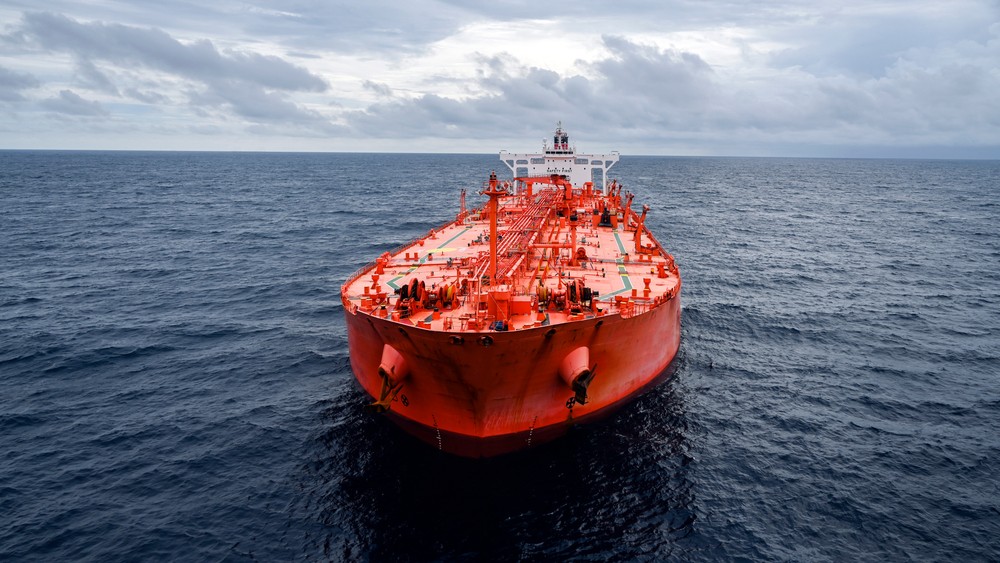
A growing number of oil tankers in the Middle East are operating with their transponders switched off for extended periods, a practice known as 'dark mode,' as shipping risks in the region escalate. Initially concentrated in the Strait of Hormuz, this stealthy transit method has now extended to the Bab el-Mandeb Strait, where Iran-aligned Houthis have been targeting vessels. Ship-tracking data indicates that these 'dark mode' movements have lengthened from a few hours to a week or more. An example cited is the supertanker Romania Prosperity, which vanished from radar off Fujairah for 10 days in late July. This increased use of 'dark mode' significantly complicates the transparency of oil flows out of the Middle East, making it difficult for market observers to estimate actual export volumes. Maritime traffic through the Strait of Hormuz saw a notable increase on August 13, with 13 confirmed vessel crossings, a 44% rise from the previous day, according to Kpler. Nine of these vessels utilized Iran's unilateral transit scheme, with none confirmed on the Hormuz Traffic Separation Scheme, and four vessels' routes remained undetermined. Activity in the Bab el-Mandeb Strait was steadier, with 29 confirmed crossings, a 4% increase. Within the Red Sea, 18 vessels entered and 11 exited, with two dark transits recorded.