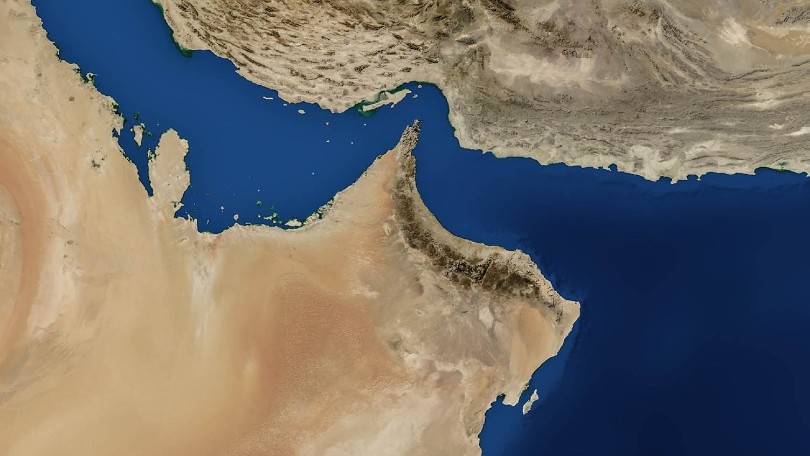
Key facts
- Oil prices are near a one-week high due to ongoing supply disruptions and advancing talks concerning the Strait of Hormuz.
- Vessel traffic through the Strait of Hormuz has dropped significantly, reaching its lowest point in over two months.
- Iran's crude exports have collapsed in August, increasing the risk of halting Hormuz transits.
- China's crude inventories have significantly decreased, potentially leading to increased purchases of Russian and Iranian oil.
- Geopolitical tensions are escalating in the Red Sea and Gulf of Oman with recent attacks and casualties.
Oil prices are holding near a one-week high as diplomatic efforts between Oman and Iran to resolve disruptions in the Strait of Hormuz advance, though tensions remain elevated. Brent crude was trading around $87 per barrel, with analysts suggesting a potential rally towards $100 if the situation deteriorates.
Recent escalations include a significant drop in vessel traffic through the Strait of Hormuz, with only six transits recorded on a recent Monday, the lowest in over two months. This has led to jet fuel shortages, particularly impacting Europe. Despite some progress in Oman-Iran talks, new demands from President Donald Trump have stalled broader US-Iran negotiations, contributing to price volatility.
The collapse of Iranian exports in August, with loadings near zero, is a key factor driving prices higher. China's substantial drawdown of crude inventories in July, equivalent to 1.1 million barrels per day, is expected to spur demand for Russian and Iranian crude. Iranian crude held in floating storage remains constant at around 40 million barrels.
Meanwhile, geopolitical risks are increasing in other regions. Three sailors were killed in a suspected Houthi attack on a cargo vessel in the Bab el-Mandeb Strait, and a container ship was struck by a US helicopter missile in the Gulf.