
Key facts
- The Malaysian Medical Association (MMA) is concerned about high no-show rates for medical officers assigned to permanent postings in Sabah and Sarawak.
- Some facilities reportedly received no new medical officers, while others recorded no-show rates of between 70% and 76% on September 28.
- The MMA is urging the government to revert to a percentage-based Regional Incentive Payment (BIW) and introduce new incentives.
- Factors contributing to the issue include relocation costs, demanding workloads, and inadequate accommodation and support in understaffed facilities.
- The MMA also recommended improving relocation allowances and rural living conditions.
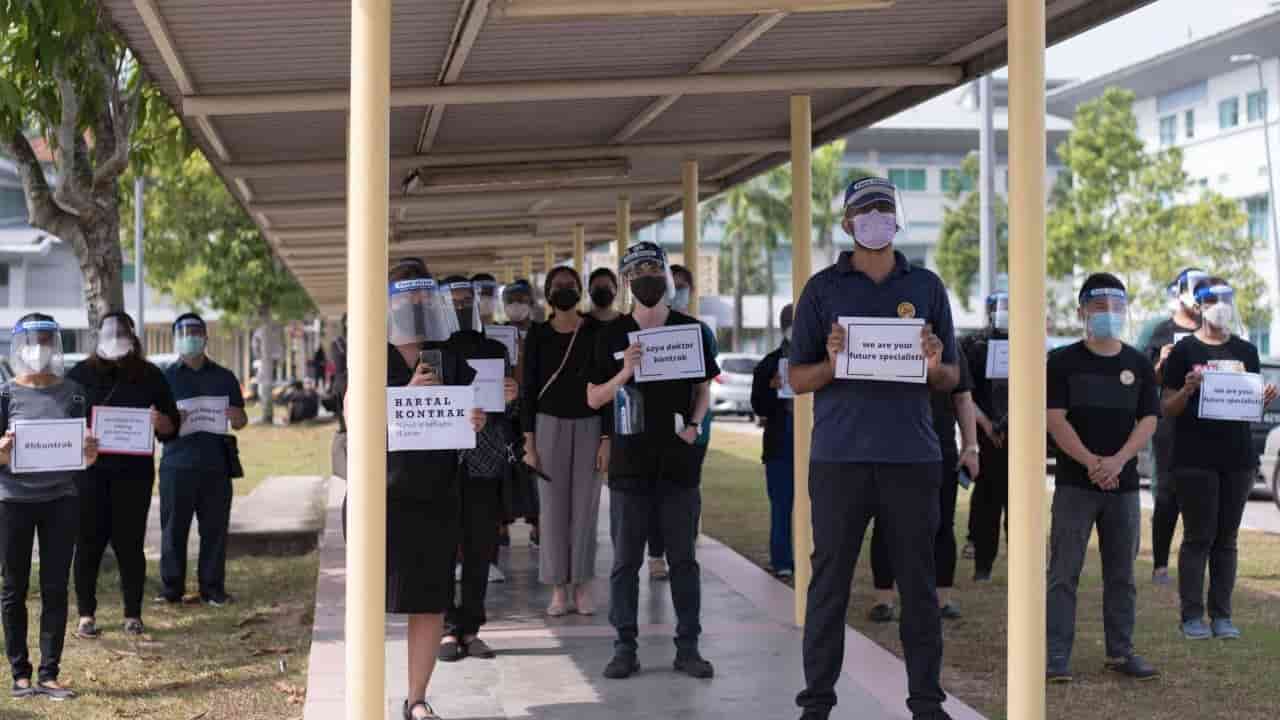
The Malaysian Medical Association (MMA) has voiced significant concern regarding a high rate of medical officers failing to report for their permanent postings in Sabah and Sarawak. Reports indicate that on September 28, some healthcare facilities in East Malaysia received no new medical officers, while others experienced no-show rates ranging from 70% to 76%.
MMA President Dr. Sivanaesan Letchumanan stated that this trend, particularly among contract medical officers declining permanent positions, serves as a warning that conditions in East Malaysia are deterring healthcare professionals. He emphasized that issues such as being required to relocate far from families, substantial moving costs, serving in understaffed facilities with demanding workloads, and inadequate accommodation and support are contributing factors.
During a recent meeting with Sarawak Deputy Premier Datuk Amar Dr. Sim Kui Hian, workforce shortages and retention strategies were discussed. Dr. Sivanaesan urged authorities to verify and publicize the official figures related to the no-shows, stressing that empty posts do not treat patients and that permanent appointments without effective retention strategies are merely nominal.
To address the problem, the MMA has proposed several recommendations for government action. These include financial and compensation reforms such as returning to the previous percentage-based Regional Incentive Payment (BIW) and establishing a dedicated East Malaysia service allowance with supplementary incentives. The association also called for an overhaul of relocation assistance, with moving allowances disbursed prior to relocation, and clear, fixed timeframes for East Malaysia postings with a transparent transfer pathway upon completion.
Furthermore, the MMA recommended upgrading rural living quarters to ensure safety, maintenance, and essential amenities like reliable water, electricity, internet connectivity, and transport options. They also suggested that rural service should count towards career progression, directly supporting postgraduate training, specialist pathways, promotions, and preferred future placements. The MMA hopes that Budget 2027 will allocate resources to strengthen healthcare incentives and improve workforce retention, reiterating its call for Malaysia's public healthcare budget to be increased to 5% of GDP.