
Key facts
- Lagarde said the higher inflation levels rise and the longer they last, the greater the risk to the ECB's medium-term inflation goal.
- Lagarde said the October increase was largely due to energy and that it was important to look at what lies beneath the headline figure.
- Lagarde said the ECB is monitoring forward-looking indicators such as multi-year wage agreements and firms' wage expectations, and sees no signals of change for now.
- Lagarde said it is not appropriate to pre-announce rate forecasts, though important changes have occurred since the September projections.
- Lagarde said energy futures curves have risen, with effects on both inflation and growth, while oil prices have fallen more recently and long-term interest rates have risen.
- Lagarde said the ECB's forecasting exercise will determine how these forces affect medium-term inflation.
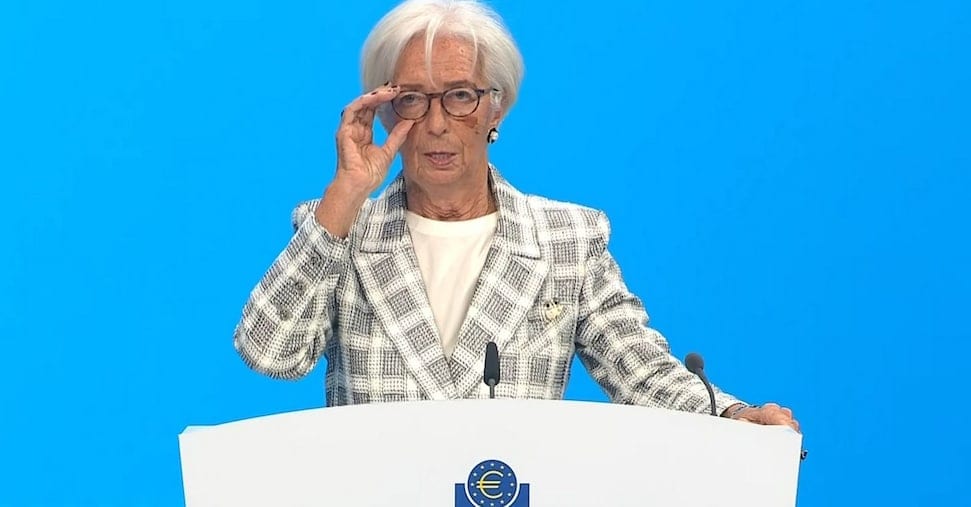
European Central Bank President Christine Lagarde said inflation is likely to remain high in the near future, in an interview with the Japanese newspaper Yomiuri Shimbun published on November 7, 2026. She said second-round effects so far are no worse than anticipated.
In the interview, Lagarde said inflation data would stay elevated in the coming quarters. She said the higher the levels reached and the longer they persist, the greater the risks to the ECB's medium-term inflation objective.
Lagarde said October headline inflation stood at 4%, a level above the ECB's expectations of a few months earlier but in line with market expectations. She said the figure appears very high and that it is important to look at what lies beneath it, with the increase largely attributable to energy.
On second-round effects, Lagarde said no signals are currently observed beyond those already incorporated in the ECB's projections. She said the ECB is monitoring forward-looking indicators, such as multi-year wage agreements and companies' expectations for wage developments, and for now sees no signals of change.
Lagarde reiterated that it is not appropriate to pre-announce rate forecasts, although she said it is evident that some important changes have occurred relative to the September projections. She said energy futures curves have risen, which will have repercussions for both inflation and growth, although oil prices have fallen more recently, and long-term interest rates have also risen. She said the ECB's forecasting exercise will determine how these different forces affect medium-term inflation.