Key facts
- The Justice Department filed an emergency request seeking to hold the California ballots until citizenship status is verified.
- Department spokesperson Kiersten Pels said the department was enforcing the law and was not helping any campaign.
- US District Judge Sharon Gleason in Anchorage dismissed the Alaska certification case; the department appealed.
- California said it had measures to prevent voting by noncitizens and argued the department lacked authority to block votes.
- Attorney General Todd Blanche said the department's efforts were lawful and aimed at protecting the integrity of the vote.
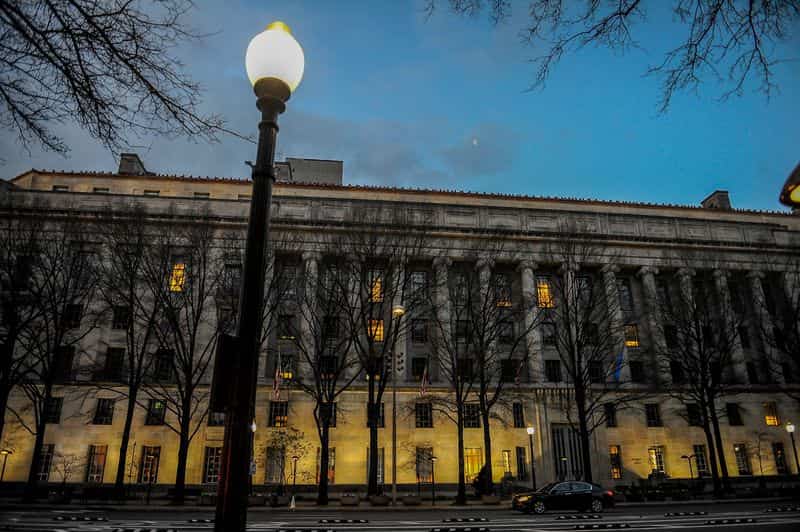
The US Justice Department asked the Supreme Court on a Monday to temporarily block California from counting mail-in ballots from more than 20,000 registered voters who federal officials allege are probably non-US citizens, Reuters reported on November 2. The emergency request seeks to prevent counting the disputed ballots until each voter's citizenship status can be verified.
The filing escalates a legal fight the department has pursued across states ahead of midterm elections dated to a Tuesday in the report. In California, the department sought to set aside the ballots, while California said it had implemented measures to prevent voting by noncitizens and argued the department lacked authority to block votes.
In Alaska, the department intensified a criminal investigation into whether a Senate candidate sharing Republican incumbent Dan Sullivan's name entered the race to confuse voters, and it sought to block certification if Sullivan narrowly lost. US District Judge Sharon Gleason in Anchorage dismissed that case on the Sunday before the report, and the department appealed. Courts rejected the department's lawsuits against both states.
Attorney General Todd Blanche said the department's efforts were lawful and aimed at protecting the integrity of the vote. Department spokesperson Kiersten Pels said in a statement: "The Department isn't helping any campaign. It's enforcing the law."
Critics disputed that. Mark Blumberg, who previously led the department's election response to civil rights threats and founded the Rule of Law Project, said the administration appeared to want the department to have an impact that was previously prohibited. Peter Keisler, acting attorney general under Republican President George W. Bush, said the Alaska case had "the appearance but the evident reality of taking sides."
Trump argued Democratic-led states were not doing enough to prevent voting by noncitizens, which is prohibited under US law, and continued to assert falsely that widespread fraud caused his 2020 election loss. Independent studies and state audits have found voter fraud to be rare. Agents and prosecutors were told unresolved issues would be decided by Trump political appointees, with the Deputy Attorney General's Office mediating disputes, according to three people familiar with the conversations.