Key facts
- Unemployment was 4.2% in September and has not exceeded 4.5% for five straight years, the longest stretch on record.
- Weekly unemployment insurance claims are near a 57-year low, even as firms hire little and new graduates struggle.
- Consumer prices and average hourly earnings have both risen about 5.5% since January 2025, BLS data shows.
- Business investment rose at an annualized 12.7% pace last quarter, driven by AI-related demand.
- Treasury Secretary Scott Bessent told CNBC that consumer surveys can be gloomy while consumer behavior stays strong.
- Apollo's Torsten Slok warned a sharp reset in AI expectations could trigger a capex pullback and weigh on GDP growth.
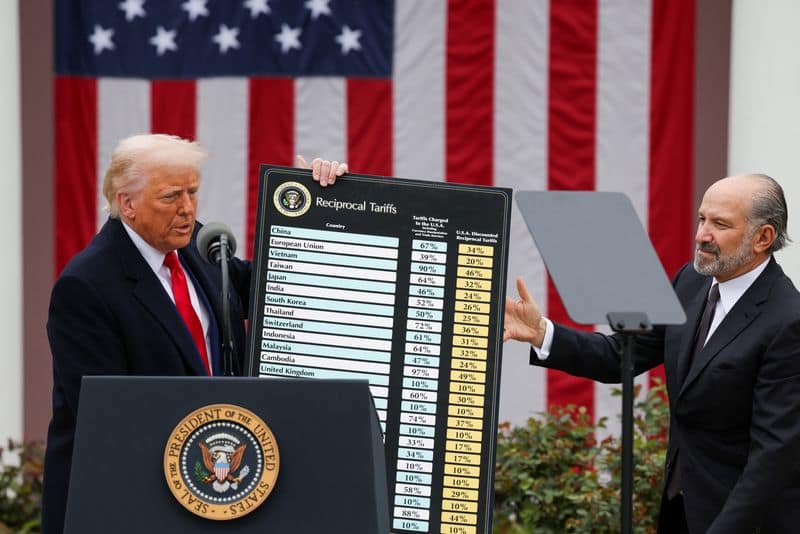
US voters enter the November 3 midterm elections with the economy foremost in mind, and many blame President Donald Trump's tariffs and the Iran war for persistent inflation, Reuters reported on November 2. Trump is not on the ballot, but his economic record is.
Consumer surveys show the mood has generally deteriorated since Trump's second term began in January 2025. The Conference Board's confidence measure perked up in October, while the University of Michigan's sentiment index registered a near-record low. Brian Jacobsen, chief economic strategist at Annex Wealth Management, said sentiment is the bigger driver of election outcomes while confidence drives markets.
The labor market remains firm on some measures. Unemployment was 4.2% in September and has not exceeded 4.5% for five straight years, the longest stretch on record, and weekly unemployment insurance claims are near a 57-year low. The Conference Board's gap between consumers saying jobs are plentiful and those saying they are hard to get widened last month.
Stock market gains have padded retirement accounts, with the main US equity indexes notching dozens of record highs this year. Data last week showed the economy grew at a 3.4% annualized pace last quarter, and business investment rose at an annualized 12.7% pace. Treasury Secretary Scott Bessent told CNBC that consumer behavior is quite strong.
Still, economists warn of fragility. A wave of corporate earnings from Amazon.com and Intel added to worries about the AI spending boom, sending the Nasdaq Composite sharply lower. Torsten Slok, chief economist at Apollo Global Management, wrote in a mid-October note that a sharp reset in AI expectations could undermine corporate confidence and weigh on GDP growth while higher oil prices and tariffs push inflation higher.
Inflation remains well above the Fed's 2% target. Consumer prices and average hourly earnings have both risen about 5.5% since January 2025, BLS data shows, leaving workers no better or worse off in purchasing power. The Fed raised its policy rate in September and is expected to raise again in December, what Chairman Kevin Warsh calls monetary medicine. Thirty-year mortgage rates above 7% and tight housing supply have put home purchases out of reach for many.