Key facts
- Japan Engine has completed a hydrogen-fueled engine for large merchant ships.
- Land-based tests achieved at least 95% hydrogen co-firing and a 95% reduction in greenhouse gas emissions.
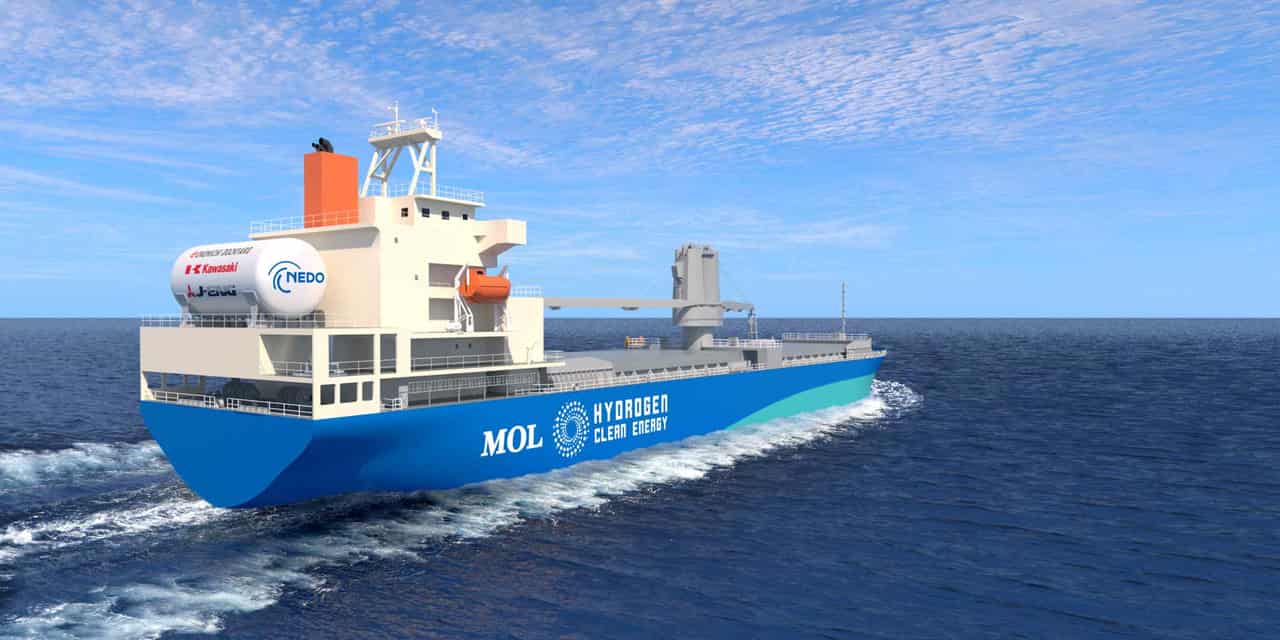
- The engine is scheduled for installation on a 17,500-deadweight-ton multipurpose vessel in January 2027.
- Onboard demonstration testing is planned to commence in April 2028.
- The development is part of Japan's Next-Generation Ship Development project, funded by the Green Innovation Fund.
Japan Engine Corporation, in collaboration with partners including Mitsui O.S.K. Lines, has completed the development of a hydrogen-fueled engine designed for large vessels. This engine reportedly achieves over 95% reduction in greenhouse gas emissions compared to conventional heavy fuel oil engines and a co-firing ratio of at least 95% hydrogen. The initiative is part of Japan's broader effort to decarbonize the shipping industry, which accounts for a significant portion of global emissions.
The development falls under the Next-Generation Ship Development project, supported by the Japanese government's Green Innovation Fund managed by NEDO. This project brings together competing manufacturers like Japan Engine, Kawasaki Heavy Industries, and Yanmar Power Solutions to collaborate on hydrogen-fueled ship technology. Challenges such as hydrogen's flammability and storage requirements are being addressed through advanced fuel control and containment systems.
The completed 6UEC35LSGH engine is scheduled for installation on a 17,500-deadweight-ton multipurpose vessel in January 2027. Following installation, onboard demonstration testing is slated to begin in April 2028 under the Blue Harmony project. Kawasaki Heavy Industries is also developing the necessary liquefied hydrogen fuel supply systems and bunkering equipment for the vessel. ClassNK, a ship-classification society, is overseeing safety assessments throughout the development and operational phases.