Key facts
- Japanese shipping companies are developing wind-assisted propulsion systems for vessels.
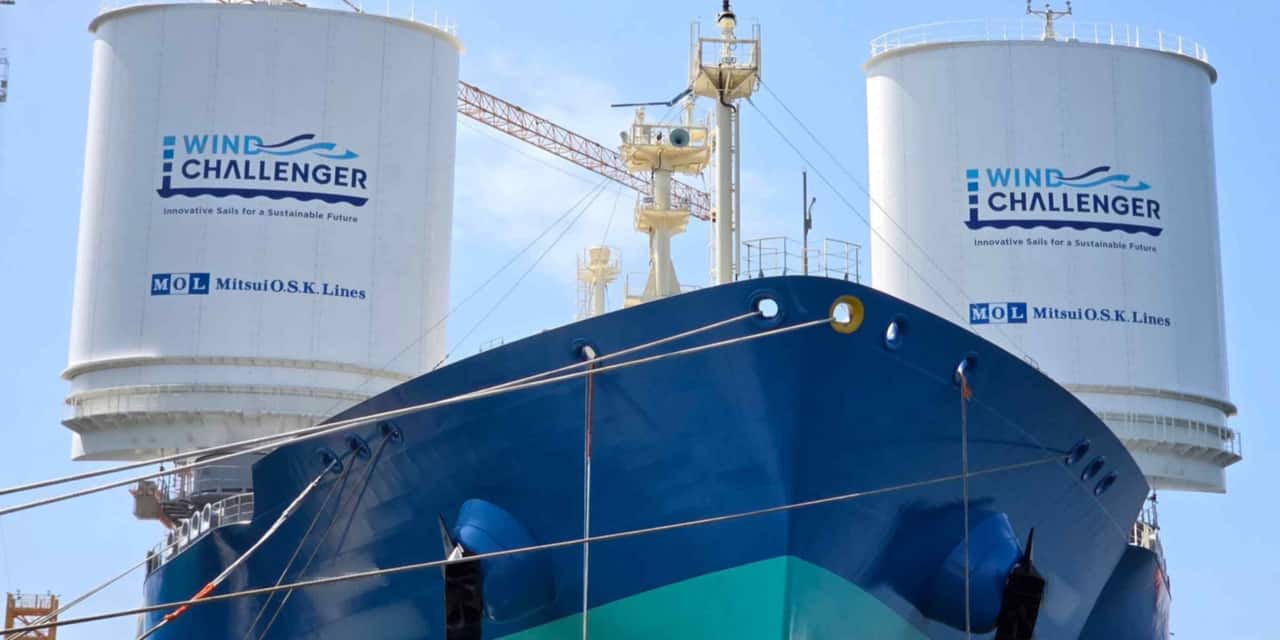
- Mitsui O.S.K. Lines' Wind Challenger system uses lightweight sails for an estimated 12% fuel saving.
- Airseas' Seawing kite system, developed by former Airbus engineers, aims for over 20% fuel and emission reductions.
- These technologies are designed to reduce fossil fuel consumption and CO2 emissions in the shipping industry.
Japanese shipping companies are exploring innovative ways to reduce fuel consumption and cut carbon emissions by incorporating wind-assisted propulsion systems onto their vessels. Mitsui O.S.K. Lines is developing its Wind Challenger system, which utilizes lightweight sails made from glass-fiber-reinforced plastic, projecting fuel savings of approximately 12%.
In parallel, the French company Airseas, founded by former Airbus engineers, has developed the Seawing system. This system employs a large parafoil kite, similar in design to those used by NASA and SpaceX for landings, to harness wind power. The Seawing system is computer-controlled from the ship's bridge and is designed to reduce the load on the main engines, potentially cutting fuel expenses and carbon emissions by 20% or more. A pilot program involving the Seawing system on the cargo ship Ville de Bordeaux commenced in January 2022, with the vessel delivering aircraft components between Europe and North America.
Shipping accounts for roughly 2.5% of global greenhouse gas emissions, making such technological advancements crucial for the industry's environmental impact.