Key facts
- JFE Engineering will test a new carbon capture system using a Nobel Prize-winning material.
- The system is designed to capture carbon dioxide from garbage incinerators.
- The technology is expected to halve the operating cost of carbon capture.
- Nitto Denko is investing in separation membranes that can capture 90% of CO2 emissions.
- JFE Engineering's system aims for 99.5% CO2 capture efficiency.
- The cost of capturing one ton of CO2 is projected to fall to approximately 1,000 yen.
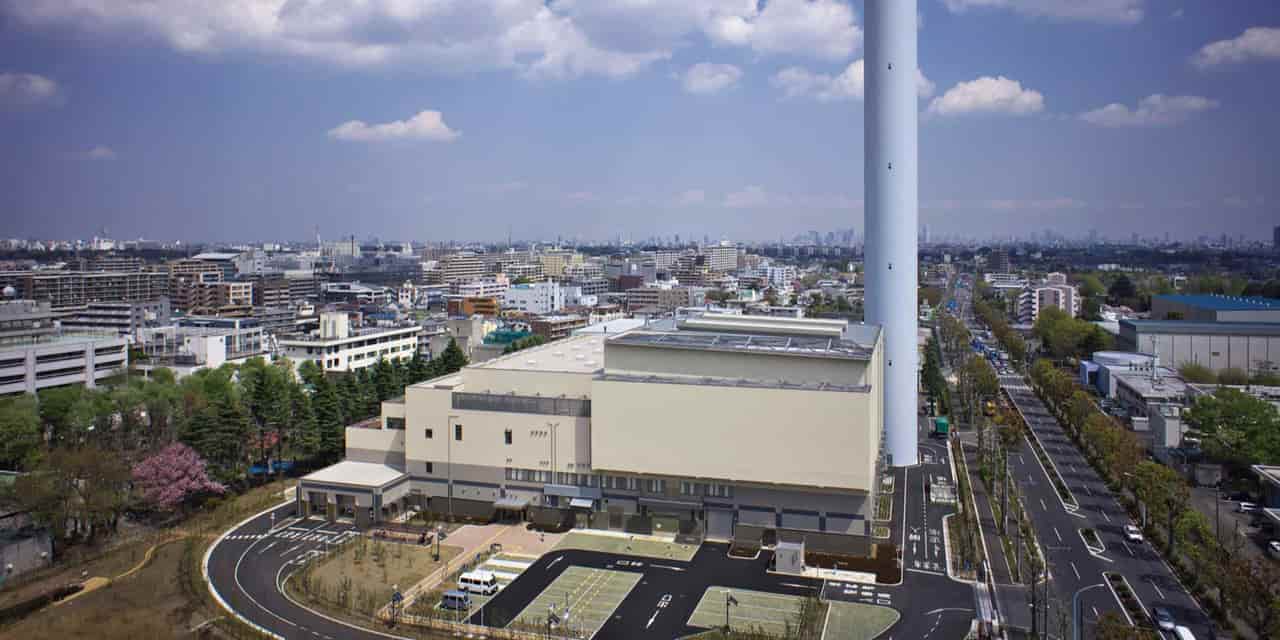
JFE Engineering, a Japanese company, is preparing to field-test a novel carbon capture system that utilizes a Nobel Prize-winning material. This innovative technology is slated for deployment at the company's Clean Plaza Fujimi waste-to-energy facility in Tokyo.
The new system aims to significantly reduce the cost of removing carbon dioxide (CO2) from industrial emissions, with expectations that operating costs could be halved compared to current methods. This development is part of a broader push in Japan by companies like Nitto Denko and Toray Industries to advance cost-effective carbon capture solutions.
Nitto Denko, a prominent materials group, is investing 2 billion yen ($13.6 million) to produce separation membranes capable of capturing approximately 90% of CO2 emissions. These membranes will be assembled into scalable tubular modules. JFE Engineering's system will integrate these membranes with zeolite, a material known for its CO2 absorption properties, targeting a 99.5% capture rate.
Toray Industries is also developing a carbon fiber separation membrane, with plans to target industrial emissions as early as fiscal 2030. The industrial sector accounts for about 40% of Japan's CO2 emissions, and the country has a goal of achieving net-zero emissions by 2050.
Conventional carbon capture methods cost around 4,200 yen per ton of CO2, but the new membrane technologies are projected to bring this cost down to approximately 1,000 yen per ton. The global carbon capture market is anticipated to grow substantially, reaching an estimated 3.5 trillion yen ($23.8 billion) by 2050.