Key facts
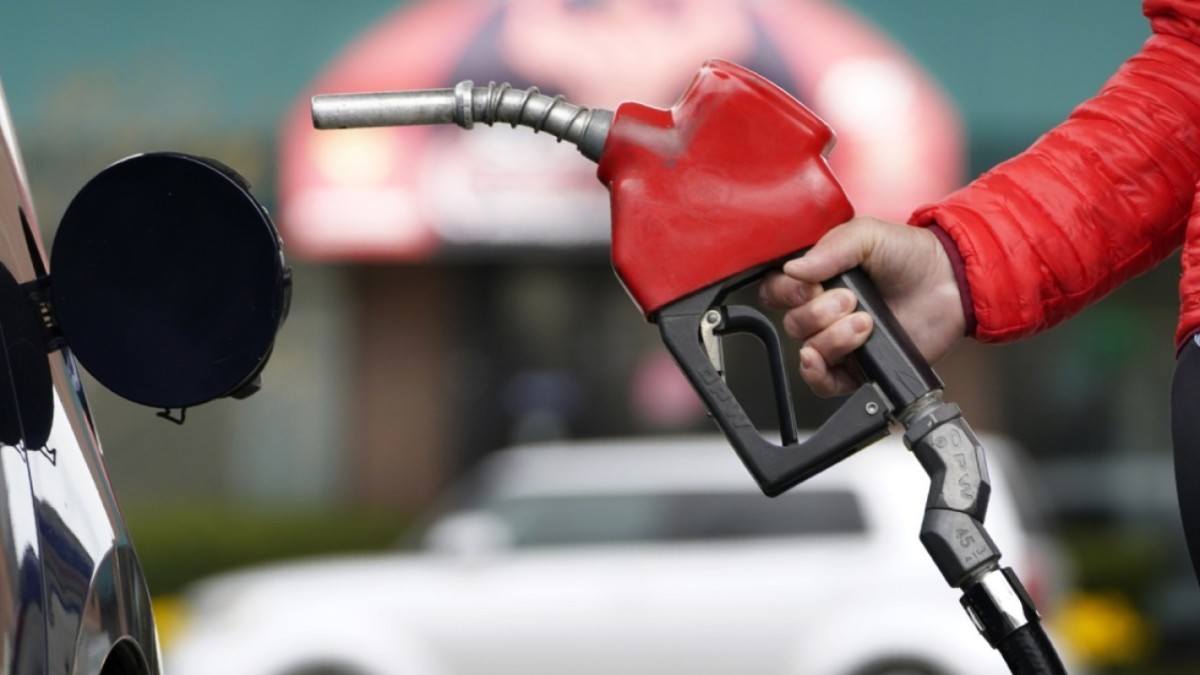
- Labor Day gasoline prices hit a record $4.15 per gallon, up 30% from last year.
- Oil prices surged toward $100 per barrel due to Middle East tensions.
- European natural gas prices reached their highest level since 2022 at €75 per MWh.
- Houthi attacks disrupted Saudi energy facilities, including the Jazan refinery.
- Copper prices hit a record high of $14,617 per tonne.
- OPEC+ maintained its October production targets.
Labor Day gasoline prices have reached a record high of $4.15 per gallon, a 30% increase from the previous year, largely attributed to escalating tensions in the Middle East. Oil prices are nearing $100 per barrel as a result of Houthi attacks on Saudi energy infrastructure and U.S. strikes on Iranian oil tankers.
European natural gas prices have surged to €75 per MWh, the highest since 2022, driven by concerns over low inventory levels ahead of winter. European gas inventories currently stand at 66%, with Germany and the Netherlands showing particular vulnerability at 54% and 48% full, respectively. LNG prices delivered into Northwest Europe are also rising, impacting the continent's buying power.
In corporate news, French oil major TotalEnergies is moving forward with its Papua LNG project, while Shell is reportedly considering divesting its stake in the Bintulu gas-to-liquids plant for up to $1 billion. Tamarack Valley Energy and Headwater Exploration agreed to a $7.2 billion all-stock merger. BP appointed Ian Tyler as its permanent chair, and Italian oil major ENI signed a 25-year contract for the Junin-5 heavy oil field in Venezuela.
Geopolitical developments include President Trump's threat of trade embargoes if the Federal Reserve does not cut interest rates, and Iran's announcement of a new maritime exclusion zone in the Gulf. Houthi attacks have disrupted Saudi Aramco's operations, including at the Jazan refinery. Ukraine reported a drone strike on Russia's Ryazan refinery.
Commodity markets have seen significant movement, with copper prices reaching a record $14,617 per tonne due to tightening global inventories. Saudi Aramco has delayed some September oil cargoes to Europe, potentially due to Red Sea disruptions. China's crude imports rebounded in August, while its passenger vehicle sales declined year-on-year. Brazil anticipates significant revenue from a pre-salt oil auction, and China's state-backed CMRG has instructed steel mills to postpone purchases of Rio Tinto's iron ore.