Key facts
- Australia's Beetaloo Basin has commenced gas production, aiming to become the country's first major shale gas project.
- U.S. companies are providing capital, technology, and expertise to enhance efficiency and reduce costs.
- The project's success hinges on lowering well costs by 40-60% and developing necessary infrastructure like pipelines.
- Tamboran Resources, a key developer, has received strong government support and aims for 1,000 terajoules of daily production.
- Significant investment, totaling A$1 billion, has already been made in exploration and appraisal drilling.
Developers of Australia's Beetaloo Basin are leveraging U.S. shale industry expertise, technology, and capital to make the project economically viable, with the first gas having been delivered this month. The Northern Territory government is strongly backing the initiative, with Tamboran Resources CEO Todd Abbott describing it as the most supportive regime he has worked under, including in Texas.
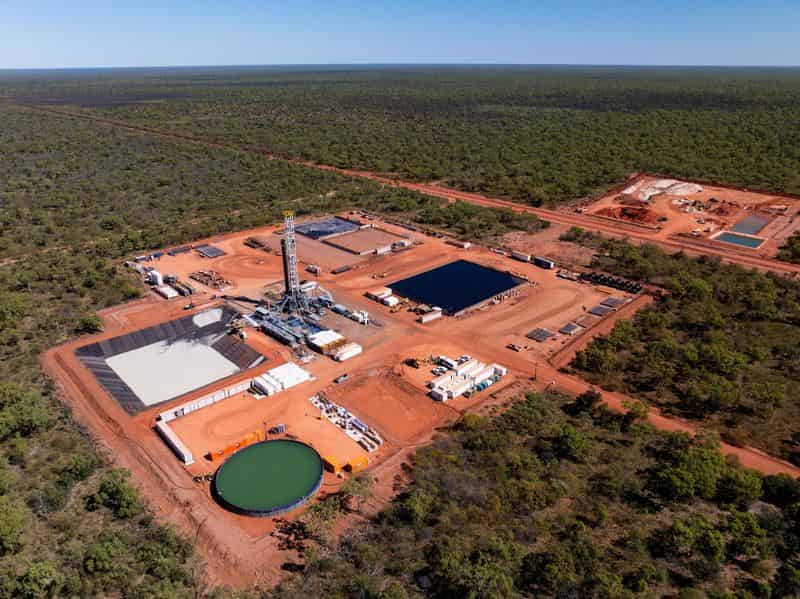
The Beetaloo formation is being compared to the prolific Marcellus shale in the U.S., but its remote location necessitates significant investment in infrastructure, particularly pipelines. To achieve economic success, well costs must decrease by as much as 60%, a stark contrast to the established supplier networks and infrastructure found in mature U.S. basins. Tamboran and its partners have already invested approximately A$1 billion ($722 million) in exploration and appraisal drilling.
Lessons learned from the U.S. shale sector are being applied, with a focus on cash flow and EBITDA, rather than prioritizing drilling over sales. Companies like Formentera Partners, which has a stake in the Beetaloo project, plan to drill their own acreage next year. Despite these efforts, drilling and completion costs remain substantially higher in Beetaloo compared to U.S. basins. Industry executives estimate that a 40% to 60% reduction in well costs is necessary for the basin to reach its full potential, with efforts underway to develop local sand supply for hydraulic fracturing and improve drilling efficiencies.
Operators have already observed about a 25% improvement in completion efficiency between drilling campaigns, and continuous drilling alone could potentially reduce rig costs by around 30%. Expanding local supplier and workforce capacity is also seen as crucial for improving project economics by minimizing the need for long-distance transportation of equipment and materials. The success of the Beetaloo development could provide a new source of LNG supply for Asia, though it also faces regulatory scrutiny from Canberra.